
 EN
EN
Engine performance optimization has become increasingly critical in modern automotive applications, where every component plays a vital role in maximizing efficiency and reliability. Among the numerous factors that influence engine performance, the quality and effectiveness of hose connections remain paramount for maintaining optimal fluid flow and pressure integrity. Professional mechanics and automotive engineers understand that even the smallest leak or loose connection can significantly impact overall engine performance, fuel economy, and operational longevity. This comprehensive guide explores how advanced hose clamping solutions can transform your engine's operational characteristics and deliver measurable improvements in both performance metrics and maintenance requirements.
Understanding the Critical Role of Hose Clamps in Engine Systems
Pressure Integrity and Fluid Management
Modern engines operate under extreme conditions that demand precise fluid management throughout complex systems including cooling circuits, fuel delivery networks, and vacuum lines. The effectiveness of hose connections directly impacts pressure maintenance, temperature control, and overall system reliability. When connections fail or become compromised, engines experience reduced efficiency, increased emissions, and potential component damage that can result in costly repairs and extended downtime.
Professional-grade clamping solutions provide consistent compression forces that maintain secure connections across varying temperature ranges and vibration conditions. These specialized clamps feature engineered designs that distribute clamping pressure evenly around hose circumferences, preventing localized stress concentrations that commonly lead to premature failure. The result is enhanced system reliability and improved performance characteristics that directly translate to better fuel economy and reduced maintenance requirements.
Temperature and Vibration Resistance
Engine bay environments present challenging conditions including extreme temperature fluctuations, constant vibration, and exposure to aggressive chemicals and fluids. Standard clamping solutions often fail under these demanding conditions, leading to loose connections, fluid leaks, and system performance degradation. Advanced hose clamps incorporate materials and designs specifically engineered to withstand these harsh operating environments while maintaining consistent clamping forces over extended service intervals.
The thermal expansion characteristics of quality clamps ensure that connections remain secure as temperatures cycle between ambient conditions and operating extremes. This thermal stability prevents the loosening that commonly occurs with inferior clamping solutions, maintaining optimal system performance throughout the engine's operational range. Additionally, vibration-resistant designs minimize the fatigue effects that can compromise connection integrity over time.
Performance Enhancement Through Optimal Hose Connection Technology
Flow Optimization and Pressure Management
Efficient fluid flow throughout engine systems requires secure, leak-free connections that maintain designed pressure differentials and flow characteristics. When turbo hose clamps are properly selected and installed, they create optimal sealing conditions that prevent pressure losses and maintain intended flow patterns. This enhanced flow management directly improves engine efficiency by ensuring that cooling systems, fuel delivery networks, and vacuum circuits operate at their designed parameters.
The precision engineering found in professional clamping solutions enables consistent compression around the entire hose circumference, eliminating the uneven pressure distribution that can create restriction points or leak paths. This uniform compression ensures that fluid systems maintain their intended performance characteristics while reducing the risk of connection failure during peak operating conditions. The result is improved engine response, better fuel economy, and enhanced overall reliability.
Reduced Maintenance and Operational Costs
Quality hose clamping solutions significantly reduce maintenance requirements by providing long-term connection reliability that minimizes the need for frequent inspections and adjustments. Professional mechanics appreciate the consistent performance characteristics of advanced clamps, which reduce callback rates and warranty issues associated with connection failures. This reliability translates to lower operational costs and improved customer satisfaction in both commercial and consumer applications.
The extended service life of premium clamping solutions also reduces replacement part inventory requirements and simplifies maintenance scheduling. Facilities can reduce their spare parts inventory while maintaining high system reliability, improving overall operational efficiency and reducing total cost of ownership. This economic advantage becomes particularly significant in fleet operations where maintenance costs directly impact profitability.
Material Science and Engineering Excellence
Stainless Steel Construction Benefits
Modern hose clamps utilize advanced stainless steel alloys that provide superior corrosion resistance, strength, and longevity compared to traditional materials. These specialized alloys resist degradation from exposure to automotive fluids, road salt, and environmental contaminants that commonly cause premature failure in standard clamping solutions. The result is extended service life and maintained clamping force over years of operation in demanding conditions.
The strength characteristics of quality stainless steel enable thinner wall sections without compromising structural integrity, resulting in lighter weight solutions that reduce overall vehicle mass while maintaining superior performance. This weight reduction contributes to improved fuel economy and handling characteristics while providing the strength needed for reliable long-term operation. Additionally, the smooth surface finish of stainless steel components resists contamination buildup that can interfere with proper operation.
Advanced Surface Treatments and Coatings
Specialized surface treatments enhance the performance characteristics of premium hose clamps by providing additional protection against corrosion, wear, and environmental degradation. These advanced coatings create barrier layers that extend component life while maintaining the precision tolerances required for optimal performance. The result is improved reliability and extended service intervals that reduce maintenance costs and system downtime.
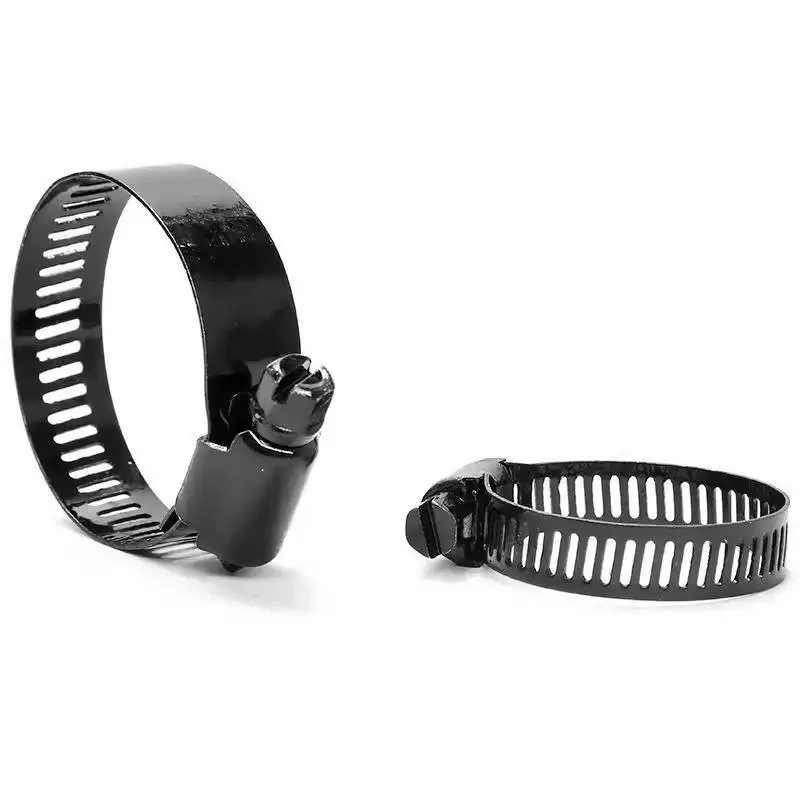
Black coating options provide additional benefits including reduced visibility of minor surface imperfections, improved aesthetics in visible installations, and enhanced protection against specific environmental conditions. These specialized finishes maintain their protective properties throughout extended service life while providing the visual appeal demanded in high-quality automotive applications.
Installation Best Practices and Technical Considerations
Proper Sizing and Selection Criteria
Selecting the appropriate clamp size and style requires careful consideration of hose dimensions, operating pressures, temperature ranges, and environmental conditions. Professional installers understand that proper sizing ensures optimal clamping force distribution while preventing over-compression that can damage hose materials or under-compression that allows leakage. This selection process directly impacts system performance and connection longevity.
The diameter range of quality clamps should accommodate normal hose tolerances while providing sufficient adjustment range for proper installation. Premium clamps feature continuous adjustment mechanisms that enable precise fit optimization, ensuring that each connection achieves optimal sealing characteristics. This precision adjustment capability allows installers to compensate for manufacturing variations and achieve consistent results across multiple installations.
Installation Techniques and Tools
Proper installation techniques maximize the performance benefits of quality hose clamps while ensuring long-term reliability and optimal system operation. Professional mechanics utilize appropriate tools and follow established procedures that ensure consistent clamping forces and proper positioning. These installation practices prevent common issues including over-tightening, misalignment, and inadequate sealing that can compromise system performance.
The use of calibrated torque tools ensures that clamping forces fall within specified ranges that optimize sealing effectiveness without damaging hose materials. This controlled installation approach provides consistent results and reduces the risk of premature failure due to improper installation practices. Additionally, proper positioning techniques ensure that clamps engage hose surfaces correctly and maintain alignment during thermal cycling and vibration exposure.
FAQ
What makes turbo hose clamps different from standard automotive clamps
Turbo hose clamps feature enhanced materials, precision engineering, and specialized designs that provide superior performance in high-pressure, high-temperature applications. They incorporate stainless steel construction with advanced surface treatments that resist corrosion and maintain clamping force over extended service intervals. The continuous adjustment mechanisms and even pressure distribution characteristics ensure reliable sealing in demanding engine applications where standard clamps often fail.
How do quality hose clamps improve engine efficiency
Quality hose clamps maintain optimal fluid flow and pressure characteristics throughout engine systems by preventing leaks and maintaining designed pressure differentials. This consistent performance ensures that cooling systems, fuel delivery networks, and vacuum circuits operate at their intended efficiency levels. The result is improved fuel economy, better engine response, and reduced emissions that directly impact overall vehicle performance and operational costs.
What should I consider when selecting hose clamps for my engine
Key selection criteria include hose diameter ranges, operating pressure requirements, temperature exposure, and environmental conditions including chemical exposure and vibration levels. Quality clamps should provide appropriate size ranges with continuous adjustment capabilities and materials that resist the specific conditions present in your application. Professional-grade options typically offer superior long-term reliability and performance compared to standard automotive clamps.
How often should hose clamps be inspected or replaced
Inspection intervals depend on operating conditions and clamp quality, with premium clamps typically requiring less frequent attention than standard options. Visual inspections should check for signs of corrosion, loosening, or mechanical damage during regular maintenance intervals. Quality clamps often provide service life measured in years rather than months, but harsh operating conditions may require more frequent inspection to ensure continued reliability and optimal system performance.