
 EN
EN
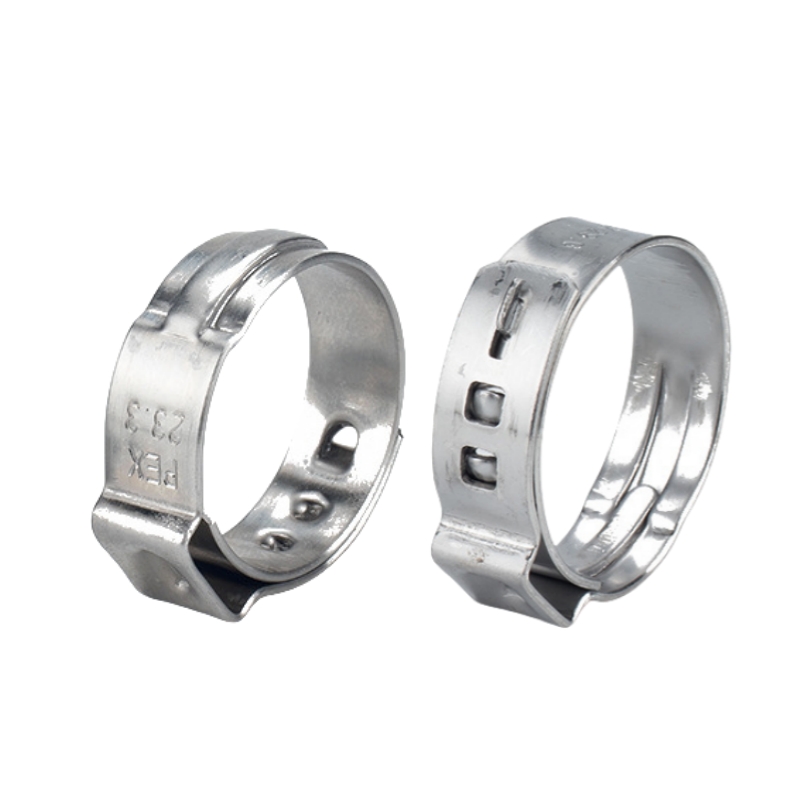
Industrial applications require reliable fastening solutions that can withstand harsh conditions while maintaining optimal performance over extended periods. When selecting the right clamping mechanism for fluid transfer systems, automotive applications, or marine environments, the choice between hose clamps stainless steel and galvanised alternatives becomes crucial. Understanding the fundamental differences between these two materials helps engineers, contractors, and procurement specialists make informed decisions that impact both operational efficiency and long-term maintenance costs.
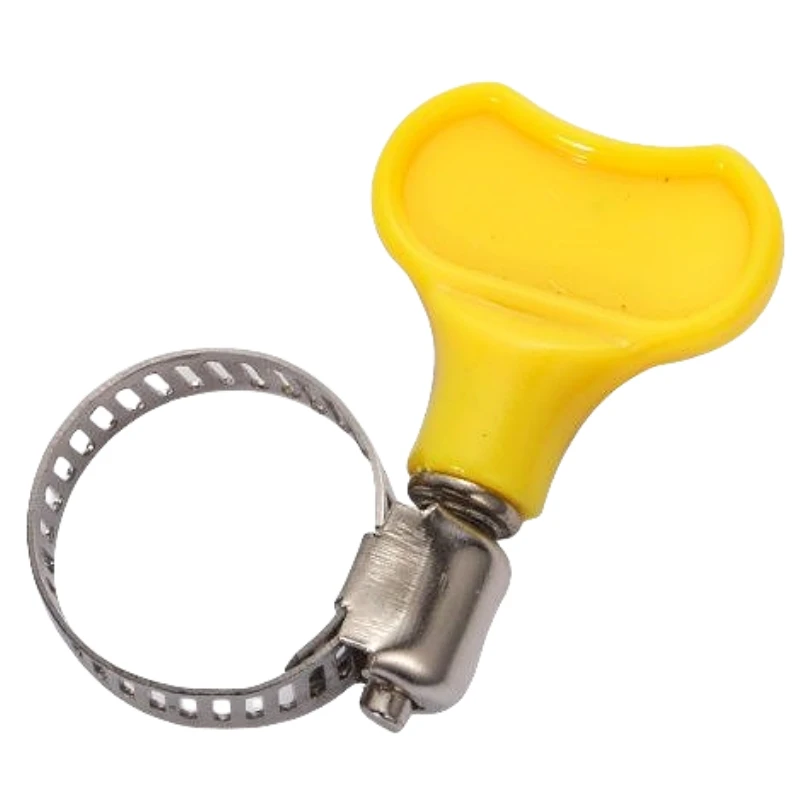
Material Composition and Manufacturing Differences
Stainless Steel Construction Properties
Stainless steel hose clamps are manufactured from chromium-enriched steel alloys that contain a minimum of 10.5% chromium content. This chromium creates a passive oxide layer on the surface that provides exceptional resistance to corrosion and oxidation. The most common grades used in hose clamps stainless steel production include 304 and 316 stainless steel, with 316 grade offering superior corrosion resistance due to its molybdenum content. These alloys maintain their structural integrity across a wide temperature range, making them suitable for applications involving extreme heat or cold conditions.
The manufacturing process for hose clamps stainless steel involves precision stamping, forming, and heat treatment procedures that ensure consistent mechanical properties. Modern production facilities utilize computer-controlled machinery to maintain tight tolerances and surface finish quality. The inherent properties of stainless steel allow for thinner wall sections while maintaining equivalent or superior strength compared to galvanised alternatives, resulting in lighter weight components without compromising performance.
Galvanised Steel Coating Technology
Galvanised hose clamps begin as carbon steel components that undergo a zinc coating process through hot-dip galvanising or electroplating methods. The zinc layer acts as a sacrificial barrier that protects the underlying steel from corrosion by oxidising preferentially when exposed to moisture and oxygen. Hot-dip galvanising typically produces thicker zinc coatings ranging from 45 to 85 microns, while electroplated versions offer thinner but more uniform coatings between 5 to 25 microns thickness.
The galvanising process requires careful temperature control and surface preparation to ensure proper zinc adhesion and uniform coverage. Quality galvanised clamps exhibit a characteristic spangled appearance with good coating adhesion that resists flaking or peeling under normal operating conditions. However, the coating thickness and uniformity can vary depending on the manufacturing process, component geometry, and quality control standards implemented by different suppliers.
Corrosion Resistance and Environmental Performance
Marine and Chemical Environment Applications
Marine environments present some of the most challenging conditions for metal components due to constant exposure to salt water, humidity, and temperature fluctuations. Hose clamps stainless steel demonstrate exceptional performance in these conditions, with 316 grade stainless steel specifically designed for marine applications. The passive oxide layer continuously regenerates when exposed to oxygen, providing self-healing properties that maintain corrosion resistance even after surface scratches or minor damage.
Chemical processing facilities require clamping solutions that resist attack from acids, bases, and organic solvents. Hose clamps stainless steel maintain their integrity when exposed to most industrial chemicals, making them the preferred choice for pharmaceutical, food processing, and petrochemical applications. The non-reactive nature of stainless steel prevents contamination of sensitive fluids and eliminates the risk of galvanic corrosion when used with other stainless steel components.
Atmospheric and Industrial Conditions
Galvanised clamps perform adequately in moderate atmospheric conditions where exposure to moisture and industrial pollutants remains within acceptable limits. The zinc coating provides effective protection against rust and corrosion for several years in rural and suburban environments. However, urban and industrial atmospheres containing sulfur compounds, chlorides, and other aggressive chemicals can accelerate zinc coating degradation, leading to premature failure and maintenance requirements.
Temperature cycling and thermal shock can cause differential expansion between the zinc coating and steel substrate, potentially leading to coating cracking or delamination. Hose clamps stainless steel maintain dimensional stability and surface integrity across temperature ranges from cryogenic applications up to 800°C, depending on the specific alloy composition. This thermal stability makes stainless steel clamps essential for automotive exhaust systems, industrial heating applications, and aerospace components where temperature variations are significant.
Mechanical Properties and Performance Characteristics
Strength and Load Bearing Capacity
The mechanical properties of hose clamps stainless steel depend on the specific alloy composition and heat treatment conditions applied during manufacturing. Austenitic stainless steels like 304 and 316 grades exhibit excellent ductility and work hardening characteristics that allow for multiple tightening cycles without fatigue failure. The yield strength of these materials ranges from 200 to 300 MPa, with ultimate tensile strengths exceeding 500 MPa in properly processed components.
Galvanised steel clamps typically utilize carbon steel substrates with yield strengths between 250 to 400 MPa, depending on the steel grade and heat treatment. The zinc coating adds minimal structural strength but can affect the surface friction characteristics and torque requirements during installation. Both material types can be engineered to meet specific load requirements, but hose clamps stainless steel offer superior fatigue resistance and maintain their mechanical properties over extended service periods.
Installation and Maintenance Considerations
Installation procedures for both clamp types follow similar principles, but material-specific considerations affect long-term performance and maintenance requirements. Hose clamps stainless steel can be tightened to higher torque values without risk of thread galling or seizure, provided appropriate anti-seize compounds are used on threaded components. The inherent corrosion resistance eliminates the need for protective coatings or frequent replacement cycles in most applications.
Galvanised clamps require careful handling during installation to avoid damage to the zinc coating that could create corrosion initiation sites. Scratches, gouges, or coating damage during tightening can compromise the protective barrier and lead to accelerated corrosion of the underlying steel. Regular inspection and maintenance schedules must account for coating degradation and potential replacement requirements based on environmental exposure conditions.
Cost Analysis and Economic Considerations
Initial Investment and Procurement Costs
The initial purchase price of hose clamps stainless steel typically exceeds galvanised alternatives by 200 to 400 percent, depending on the specific grades, sizes, and quantities involved. This higher upfront cost reflects the premium raw material prices for stainless steel alloys and the more complex manufacturing processes required to achieve precise tolerances and surface finishes. However, volume purchasing agreements and long-term supplier relationships can help reduce the cost differential through negotiated pricing structures.
Galvanised clamps offer attractive initial cost advantages that make them suitable for applications with limited budgets or where environmental conditions do not justify premium materials. The established manufacturing infrastructure for carbon steel components and zinc coating processes enables competitive pricing across various size ranges and performance specifications. Budget-conscious projects often specify galvanised clamps for non-critical applications or temporary installations where replacement costs remain manageable.
Life Cycle Cost Evaluation
Total cost of ownership calculations must include replacement frequencies, maintenance requirements, and system downtime costs associated with clamp failures. Hose clamps stainless steel typically provide service lives of 15 to 25 years in moderate environments, with even longer service possible in controlled conditions. The absence of coating degradation eliminates the need for regular inspection and replacement cycles, reducing maintenance labor costs and system downtime.
Galvanised clamps may require replacement every 5 to 10 years depending on environmental exposure, resulting in higher cumulative costs over extended operating periods. The labor costs associated with accessing and replacing clamps in complex piping systems can exceed the material cost savings, particularly in industrial facilities where system shutdowns impact production schedules. Life cycle cost analysis consistently favors hose clamps stainless steel for long-term installations and critical applications where reliability takes precedence over initial cost considerations.
Application-Specific Selection Criteria
Automotive and Transportation Systems
Automotive applications present unique challenges including vibration, temperature cycling, exposure to road salt, and various automotive fluids. Hose clamps stainless steel are increasingly specified for cooling system applications, fuel lines, and exhaust components where durability and corrosion resistance are essential. The automotive industry's trend toward longer warranty periods and reduced maintenance requirements drives the adoption of premium materials that eliminate premature failures.
Commercial transportation and fleet operators benefit from the reduced maintenance costs and improved reliability provided by stainless steel clamping solutions. The harsh operating conditions encountered in trucking, marine transport, and off-road applications justify the higher initial investment through reduced downtime and maintenance expenses. Fleet managers report significant cost savings when standardizing on hose clamps stainless steel for critical cooling and hydraulic system applications.
Industrial and Process Applications
Process industries including chemical processing, food production, and pharmaceutical manufacturing require clamping solutions that meet stringent hygiene and contamination control standards. Hose clamps stainless steel provide the corrosion resistance and cleanability required for sanitary applications while maintaining mechanical integrity under cleaning and sterilization procedures. The smooth surface finish of stainless steel components facilitates effective cleaning and reduces bacterial harboring sites.
Heavy industrial applications such as mining, steel production, and power generation expose clamping hardware to extreme conditions including high temperatures, abrasive particles, and corrosive atmospheres. The superior environmental resistance of hose clamps stainless steel ensures reliable operation in these demanding conditions while minimizing unplanned maintenance activities. Plant operators consistently report improved system reliability when upgrading from galvanised to stainless steel clamping hardware in critical applications.
FAQ
What is the typical service life difference between stainless steel and galvanised hose clamps
Hose clamps stainless steel typically provide 15 to 25 years of service life in moderate environments, while galvanised clamps generally last 5 to 10 years depending on environmental conditions. In harsh marine or chemical environments, the service life difference becomes even more pronounced, with stainless steel clamps potentially lasting decades while galvanised alternatives may fail within 2 to 5 years due to coating degradation and underlying steel corrosion.
Can galvanised and stainless steel clamps be used interchangeably in the same system
While both clamp types can perform the same basic function, mixing materials within a single system should be avoided due to galvanic corrosion concerns. When dissimilar metals are present in the same electrolytic environment, the galvanised steel becomes anodic relative to stainless steel, accelerating zinc coating degradation and steel corrosion. For optimal system performance and longevity, it is recommended to use consistent materials throughout the installation.
Which type of hose clamp is better for high-temperature applications
Hose clamps stainless steel are significantly better suited for high-temperature applications due to their inherent thermal stability and oxidation resistance. Stainless steel maintains its mechanical properties and corrosion resistance at elevated temperatures up to 800°C depending on the alloy grade, while galvanised clamps begin to experience zinc coating degradation at temperatures above 200°C, leading to rapid corrosion of the underlying steel substrate.
How do maintenance requirements differ between these two clamp types
Galvanised clamps require regular inspection for coating integrity, zinc corrosion products, and underlying steel corrosion, typically necessitating replacement every 5 to 10 years. Hose clamps stainless steel require minimal maintenance beyond periodic tightening checks and can operate for decades without replacement in most environments. The reduced maintenance requirements of stainless steel clamps often offset their higher initial cost through lower labor expenses and reduced system downtime over the component lifecycle.
Table of Contents
- Material Composition and Manufacturing Differences
- Corrosion Resistance and Environmental Performance
- Mechanical Properties and Performance Characteristics
- Cost Analysis and Economic Considerations
- Application-Specific Selection Criteria
-
FAQ
- What is the typical service life difference between stainless steel and galvanised hose clamps
- Can galvanised and stainless steel clamps be used interchangeably in the same system
- Which type of hose clamp is better for high-temperature applications
- How do maintenance requirements differ between these two clamp types