
 EN
EN
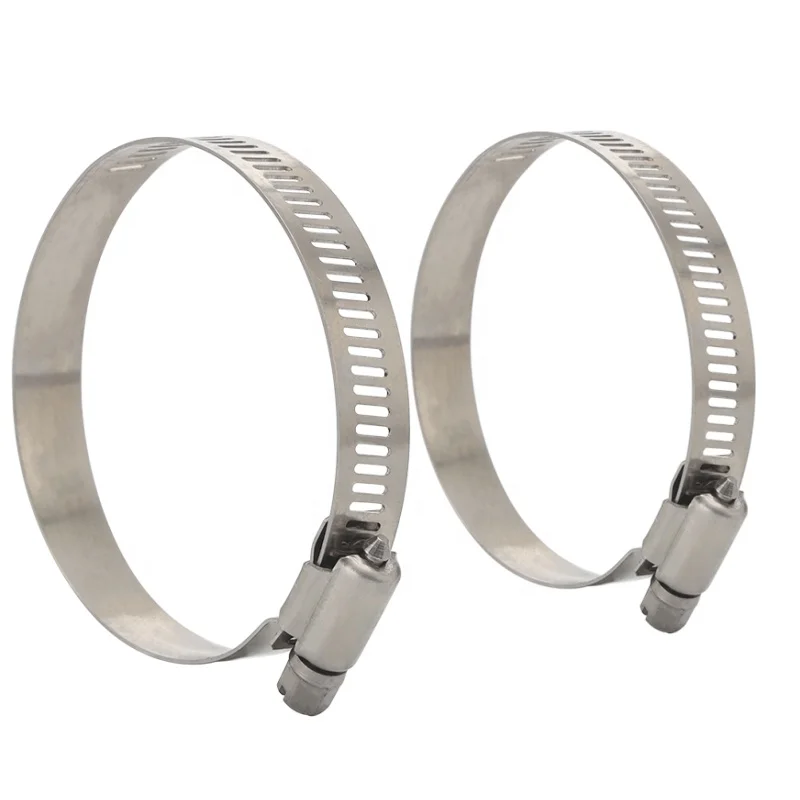
Industrial applications across automotive, marine, and manufacturing sectors rely heavily on secure connection solutions that can withstand demanding operational conditions. Stainless steel hose clamps represent one of the most versatile and reliable fastening systems available today, offering exceptional corrosion resistance and mechanical strength. These essential components come in numerous configurations and sizes to accommodate diverse piping systems, fluid transfer applications, and equipment installations where reliable sealing performance is paramount.
Understanding Standard Size Classifications for Industrial Applications
Metric Sizing Standards and Diameter Ranges
European and international markets typically utilize metric measurements for stainless steel hose clamps, with diameter ranges spanning from 8mm to 500mm or larger for specialized applications. The most common metric sizes include 10-16mm, 12-20mm, 16-25mm, 20-32mm, and continuing in progressive increments to accommodate standard pipe and hose dimensions. Manufacturing specifications often follow DIN 3017 standards, ensuring consistent quality and dimensional accuracy across different suppliers and production facilities.
Professional installers and procurement specialists frequently reference these standardized measurements when specifying components for hydraulic systems, cooling circuits, and process piping installations. The metric system provides precise control over fitting tolerances, allowing engineers to calculate exact compression forces and sealing pressures required for specific operating conditions. This standardization facilitates international trade and ensures compatibility between components sourced from different manufacturers worldwide.
Imperial Sizing Conventions in North American Markets
North American industrial sectors commonly employ imperial measurements for stainless steel hose clamps, with sizes ranging from 1/4 inch to 20 inches or larger for heavy industrial applications. Standard imperial sizes include 5/16-7/8 inch, 7/16-1 inch, 1/2-1-1/4 inch, and various larger configurations designed for specific industry requirements. These measurements correspond directly to common pipe thread sizes and hose specifications used throughout American manufacturing and construction industries.
The imperial sizing system offers familiar reference points for technicians and engineers working with traditional American equipment and infrastructure. Many established facilities continue using imperial measurements due to existing inventory systems and maintenance procedures that have proven effective over decades of operation. Understanding both metric and imperial sizing enables procurement teams to source components globally while maintaining compatibility with existing systems.
Bandwidth Variations and Their Practical Applications
Narrow Bandwidth Options for Precision Applications
Narrow bandwidth stainless steel hose clamps, typically ranging from 7mm to 12mm in width, provide concentrated clamping force ideal for lightweight applications and space-constrained installations. These compact designs excel in automotive fuel systems, medical equipment, and precision instrumentation where minimal bulk and maximum accessibility are essential requirements. The reduced material cross-section allows for tighter installation spaces while maintaining adequate holding strength for moderate pressure applications.
Engineering teams often specify narrow bandwidth clamps for applications involving soft rubber hoses, silicone tubing, or plastic piping systems where excessive clamping pressure could damage the substrate material. The concentrated force distribution helps prevent over-compression while ensuring reliable sealing performance under normal operating conditions. These specialized stainless steel hose clamps find extensive use in laboratory equipment, food processing machinery, and electronic cooling systems.
Wide Bandwidth Solutions for Heavy-Duty Performance
Heavy-duty applications require wide bandwidth stainless steel hose clamps ranging from 20mm to 40mm or more, providing distributed clamping forces suitable for high-pressure systems and large-diameter connections. Marine propulsion systems, industrial chemical processing, and heavy equipment hydraulics typically specify these robust configurations to handle extreme operating conditions and demanding service environments. The increased surface contact area reduces stress concentrations and extends service life in challenging applications.
Wide bandwidth designs distribute clamping forces more evenly across hose surfaces, reducing the likelihood of cutting or damage to expensive rubber compounds and specialized materials. This characteristic makes them particularly valuable for stainless steel hose clamps used with corrugated metal hoses, braided steel lines, and thick-wall rubber assemblies common in industrial processing facilities.
Material Grade Specifications and Performance Characteristics
Grade 304 Stainless Steel Properties and Applications
Grade 304 stainless steel represents the most commonly specified material for general-purpose hose clamps, offering excellent corrosion resistance in most atmospheric conditions and moderate chemical environments. This austenitic alloy contains approximately 18% chromium and 8% nickel, providing superior formability and weldability compared to other stainless steel grades. Standard applications include HVAC systems, plumbing installations, and food processing equipment where reliable performance and cost-effectiveness are primary considerations.
The magnetic properties of 304 stainless steel make it suitable for applications where magnetic separation or detection systems are employed during manufacturing or maintenance procedures. Temperature resistance extends from cryogenic conditions to approximately 870°C, covering most industrial operating ranges without significant degradation of mechanical properties. These characteristics make grade 304 stainless steel hose clamps ideal for general industrial applications where premium corrosion resistance is required without the expense of exotic alloys.
Grade 316 Enhanced Corrosion Resistance
Marine environments, chemical processing facilities, and pharmaceutical manufacturing operations frequently specify grade 316 stainless steel hose clamps due to their enhanced resistance to chloride corrosion and pitting attacks. The addition of molybdenum to the alloy composition significantly improves performance in saltwater exposures and aggressive chemical environments. This premium grade commands higher costs but delivers substantially longer service life in demanding applications where component failure could result in significant operational disruptions.
Grade 316 stainless steel maintains excellent mechanical properties at elevated temperatures while resisting stress corrosion cracking that can affect lesser alloys under sustained loading conditions. Offshore oil platforms, desalination plants, and coastal industrial facilities routinely specify these premium stainless steel hose clamps to minimize maintenance requirements and ensure reliable long-term performance in harsh operating environments.
Industry-Specific Sizing Requirements and Standards
Automotive Sector Applications and Specifications
Automotive manufacturing and aftermarket sectors utilize specialized sizing standards for stainless steel hose clamps designed to accommodate various engine compartment applications and fluid system connections. Common automotive sizes range from 13-20mm for fuel injection systems to 32-50mm for radiator and cooling system applications. These components must meet stringent vibration resistance and temperature cycling requirements while maintaining leak-proof seals throughout extended service intervals.
Modern vehicles incorporate increasingly complex fluid management systems requiring precise fitment and reliable performance from stainless steel hose clamps under extreme temperature variations and mechanical stress conditions. Turbocharger installations, emissions control systems, and hybrid vehicle cooling circuits demand specialized clamp designs that can accommodate thermal expansion while maintaining consistent sealing pressure across diverse operating conditions.
Marine and Offshore Industry Requirements
Maritime applications impose unique sizing and material requirements on stainless steel hose clamps due to constant exposure to saltwater environments and extreme weather conditions. Boat builders and marine equipment manufacturers typically specify larger safety margins in clamp sizing to accommodate hose swelling from temperature variations and ensure adequate clamping force retention over extended periods. Standard marine sizes often exceed comparable land-based applications by 10-20% to provide additional security margins.
Offshore oil and gas installations require heavy-duty stainless steel hose clamps capable of withstanding hurricane-force winds, temperature extremes, and continuous saltwater exposure without degradation. These specialized applications often specify custom sizing and enhanced material specifications beyond standard commercial grades to ensure reliable operation in environments where component failure could result in catastrophic consequences or environmental damage.
Custom Sizing Options and Special Applications
Non-Standard Diameter Requirements
Specialized industrial applications frequently require custom-sized stainless steel hose clamps to accommodate unique equipment configurations or non-standard hose dimensions not covered by conventional sizing charts. Manufacturing facilities processing oversized pipes, custom machinery builders, and research institutions often specify clamps with diameters exceeding 500mm or unusual bandwidth requirements to match specific application needs. Custom manufacturing capabilities enable solutions for virtually any dimensional requirement while maintaining the corrosion resistance and mechanical properties of standard products.
Prototype development and limited production runs benefit from flexible manufacturing approaches that can produce small quantities of specialized stainless steel hose clamps without requiring extensive tooling investments. Advanced manufacturing techniques including laser cutting, precision forming, and automated welding enable cost-effective production of custom configurations while maintaining tight dimensional tolerances and consistent quality standards.
Multi-Size and Adjustable Configuration Options
Variable sizing requirements in maintenance and repair applications drive demand for adjustable stainless steel hose clamps that can accommodate multiple diameter ranges within a single component design. These versatile solutions reduce inventory requirements while providing field technicians with greater flexibility when working with mixed hose sizes or unknown specifications. Adjustable configurations typically cover diameter ranges spanning 20-30mm increments, enabling one clamp to replace multiple fixed-size alternatives.
Emergency repair situations and field service applications particularly benefit from multi-size stainless steel hose clamps that eliminate the guesswork involved in matching exact dimensions under challenging conditions. The ability to adjust clamping diameter on-site reduces downtime and ensures proper fitment even when original specifications are unavailable or equipment has been modified from factory configurations.
Installation Considerations and Torque Specifications
Proper Torque Values for Different Sizes
Achieving optimal performance from stainless steel hose clamps requires careful attention to installation torque values that vary significantly based on clamp size, bandwidth, and application requirements. Smaller diameter clamps typically require 2-4 Nm of torque, while larger industrial sizes may specify 15-25 Nm or higher depending on the specific design and intended service conditions. Under-tightening results in inadequate sealing pressure, while over-tightening can damage hose materials or cause stress concentrations that lead to premature failure.
Professional installation procedures recommend using calibrated torque wrenches to ensure consistent application of specified clamping forces across multiple connections within a system. This approach eliminates variations that could compromise system performance and ensures uniform loading that maximizes service life. Different hose materials require adjusted torque values to prevent damage while maintaining adequate sealing pressure.
Environmental Factors Affecting Size Selection
Temperature cycling, chemical exposure, and mechanical vibration significantly influence the sizing requirements for stainless steel hose clamps in various operating environments. High-temperature applications may require larger nominal sizes to compensate for thermal expansion of both clamp and hose materials, while cryogenic conditions might necessitate special consideration for material brittleness and differential contraction rates. Chemical compatibility between clamp materials and process fluids must be verified to prevent unexpected corrosion or degradation.
Vibration environments common in mobile equipment and rotating machinery applications may require larger safety margins in clamp sizing to prevent loosening over time. The dynamic loading conditions can cause gradual relaxation of clamping forces if insufficient initial tension is applied. Proper sizing accounts for these environmental factors while maintaining reliable sealing performance throughout the intended service interval.
FAQ
What is the most common size range for stainless steel hose clamps
The most commonly used size range for stainless steel hose clamps spans from 10mm to 100mm in diameter, covering the majority of standard industrial and automotive applications. This range accommodates typical pipe sizes from 1/4 inch to 4 inches, making it suitable for HVAC systems, plumbing connections, automotive cooling systems, and general machinery applications. Most suppliers maintain extensive inventory in these popular sizes to ensure immediate availability for routine maintenance and installation projects.
How do I determine the correct bandwidth for my application
Bandwidth selection for stainless steel hose clamps depends on the application pressure, hose material, and available installation space. Light-duty applications with soft rubber hoses typically use 9-12mm bandwidth clamps, while heavy-duty industrial systems require 20-25mm or wider bands to distribute clamping forces properly. Consider the hose wall thickness and material hardness when selecting bandwidth, as harder materials can accept higher unit pressures while softer materials need wider contact areas to prevent cutting or damage.
Can stainless steel hose clamps be reused after removal
High-quality stainless steel hose clamps can often be reused if they show no signs of corrosion, deformation, or thread damage during inspection. However, reuse should be limited to non-critical applications where component failure would not result in safety hazards or significant operational disruptions. Always inspect the screw mechanism, band condition, and housing integrity before reinstalling used clamps, and consider replacing them if any wear or damage is evident.
What are the temperature limits for standard stainless steel hose clamps
Standard grade 304 stainless steel hose clamps typically operate effectively from -40°C to 400°C, while grade 316 versions can handle slightly higher temperatures up to 450°C in non-oxidizing environments. Extended exposure to temperatures above these ranges may cause gradual strength reduction and potential relaxation of clamping forces. For applications exceeding these limits, consider specialized high-temperature alloys or alternative fastening methods designed for extreme thermal conditions.
Table of Contents
- Understanding Standard Size Classifications for Industrial Applications
- Bandwidth Variations and Their Practical Applications
- Material Grade Specifications and Performance Characteristics
- Industry-Specific Sizing Requirements and Standards
- Custom Sizing Options and Special Applications
- Installation Considerations and Torque Specifications
- FAQ