
 EN
EN
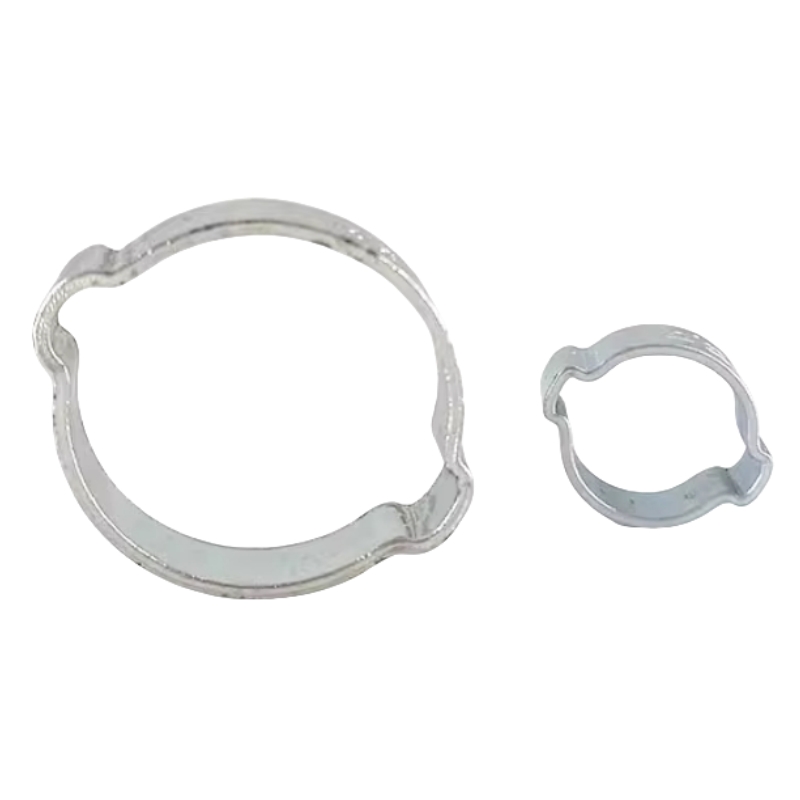
Industrial professionals and maintenance teams rely heavily on dependable fastening solutions that deliver consistent performance across diverse applications. Spring hose clamps represent a critical component in numerous mechanical systems, from automotive assemblies to industrial machinery configurations. Understanding the essential durability factors that influence long-term reliability becomes paramount when sourcing these specialized fastening devices for demanding operational environments.
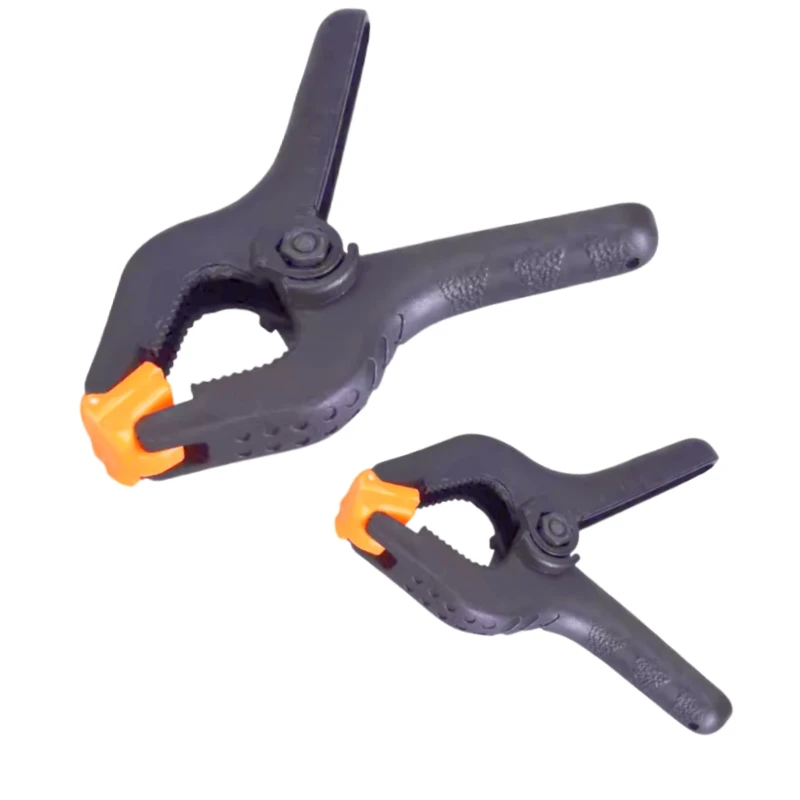
The selection process for spring hose clamps extends far beyond simple dimensional matching, requiring comprehensive evaluation of material composition, environmental resistance capabilities, and mechanical stress tolerance. Professional engineers and procurement specialists must navigate complex technical specifications while balancing cost considerations with performance requirements. This comprehensive analysis explores the fundamental durability characteristics that separate premium spring hose clamps from standard alternatives, providing actionable insights for informed sourcing decisions.
Material Composition and Construction Excellence
Premium Steel Alloy Selection
The foundation of any durable spring hose clamp lies in its material composition, with premium steel alloys offering superior mechanical properties compared to standard alternatives. High-carbon steel variants provide exceptional tensile strength while maintaining the flexibility required for repeated compression and expansion cycles. Professional-grade spring hose clamps typically utilize specialized alloy formulations that resist stress cracking and maintain consistent clamping force across extended service intervals.
Advanced metallurgical processes enhance the molecular structure of spring steel, creating uniform grain patterns that distribute mechanical stress more effectively throughout the component. These sophisticated manufacturing techniques result in spring hose clamps capable of withstanding extreme temperature fluctuations without compromising their essential clamping characteristics. The selection of appropriate steel grades becomes particularly critical in applications involving corrosive environments or elevated operating temperatures.
Surface Treatment Technologies
Comprehensive surface treatment represents another crucial durability factor when evaluating spring hose clamps for demanding industrial applications. Zinc plating, galvanization, and specialized coating systems provide essential protection against environmental degradation while maintaining the mechanical flexibility required for proper operation. These protective treatments create barrier layers that prevent moisture infiltration and chemical attack on the underlying steel substrate.
Advanced coating technologies incorporate multiple protection layers, with primer systems that enhance adhesion followed by topcoat applications that provide specific environmental resistance characteristics. Professional-grade Spring Hose Clamps often feature specialized polymer coatings that combine corrosion resistance with enhanced durability under mechanical stress conditions. These sophisticated surface treatments significantly extend operational lifespan while maintaining consistent performance characteristics throughout the service interval.
Mechanical Performance Characteristics
Spring Tension Consistency
Maintaining consistent spring tension across extended operational periods represents a fundamental durability requirement for reliable spring hose clamps. Premium manufacturing processes ensure uniform wire diameter and consistent coil pitch throughout the spring structure, resulting in predictable clamping force distribution across the entire circumference. This mechanical consistency prevents localized stress concentrations that could lead to premature failure or reduced sealing effectiveness.
Temperature stability becomes particularly important when evaluating spring tension characteristics, as thermal expansion and contraction cycles can significantly impact clamping force over time. High-quality spring hose clamps incorporate specialized alloy compositions that minimize thermal coefficient variations, maintaining consistent performance across wide temperature ranges. Professional applications requiring reliable sealing under varying thermal conditions demand spring hose clamps with proven temperature stability characteristics.
Fatigue Resistance Properties
Cyclic loading conditions present significant challenges for spring hose clamps in dynamic applications where repeated expansion and compression cycles occur regularly. Superior fatigue resistance emerges from carefully controlled manufacturing processes that eliminate stress concentration points and ensure uniform material properties throughout the component structure. Professional-grade spring hose clamps undergo rigorous testing protocols that validate their ability to withstand millions of operational cycles without degradation.
Advanced heat treatment processes optimize the molecular structure of spring steel, creating materials that resist fatigue crack initiation and propagation under repeated loading conditions. These sophisticated metallurgical treatments result in spring hose clamps capable of maintaining their essential clamping characteristics throughout extended service intervals, even under demanding operational conditions that involve frequent thermal cycling or mechanical vibration.
Environmental Resistance Capabilities
Corrosion Protection Systems
Environmental exposure presents ongoing challenges for spring hose clamps operating in industrial settings where chemical exposure, moisture infiltration, and atmospheric contaminants can accelerate degradation processes. Comprehensive corrosion protection systems incorporate multiple defense mechanisms, including barrier coatings, cathodic protection elements, and specialized alloy compositions that inherently resist environmental attack.
Marine environments and chemical processing applications require spring hose clamps with enhanced corrosion resistance characteristics that exceed standard industrial specifications. Stainless steel variants offer superior environmental resistance compared to carbon steel alternatives, though they require careful alloy selection to maintain adequate spring characteristics. Professional procurement decisions must balance corrosion resistance requirements with mechanical performance specifications to ensure optimal long-term reliability.
Chemical Compatibility Assessment
Chemical compatibility represents a critical consideration when sourcing spring hose clamps for applications involving exposure to aggressive fluids, cleaning solvents, or industrial process chemicals. Different materials exhibit varying degrees of resistance to specific chemical families, requiring detailed compatibility analysis to prevent premature degradation or catastrophic failure scenarios.
Specialized testing protocols evaluate the long-term effects of chemical exposure on spring hose clamps, including changes in mechanical properties, dimensional stability, and surface integrity. Professional applications involving hazardous materials or critical process fluids demand spring hose clamps with documented chemical resistance characteristics and appropriate material certifications to ensure regulatory compliance and operational safety.
Quality Assurance and Testing Standards
Manufacturing Quality Control
Rigorous quality control processes during manufacturing ensure that spring hose clamps meet specified durability requirements and maintain consistent performance characteristics across production batches. Advanced statistical process control systems monitor critical parameters including material composition, dimensional accuracy, spring tension values, and surface treatment quality throughout the manufacturing sequence.
Professional-grade spring hose clamps undergo comprehensive inspection procedures that validate conformance to engineering specifications and industry standards. These quality assurance protocols include material verification testing, dimensional measurement verification, mechanical property validation, and environmental resistance confirmation. Traceability systems enable tracking of individual components through the entire manufacturing process, supporting quality investigations and continuous improvement initiatives.
Performance Validation Testing
Comprehensive testing programs validate the durability characteristics of spring hose clamps under simulated operational conditions that replicate real-world service environments. Accelerated aging tests, cyclic loading evaluations, and environmental exposure assessments provide quantitative data regarding long-term performance expectations and service life predictions.
Professional testing laboratories utilize specialized equipment to evaluate spring hose clamps under controlled conditions that simulate years of operational exposure in compressed timeframes. These sophisticated testing protocols generate performance data that supports engineering decisions and enables confident specification of appropriate products for demanding applications. Validation testing results provide essential documentation for critical applications requiring performance verification and regulatory compliance.
Application-Specific Considerations
Automotive Industry Requirements
Automotive applications present unique durability challenges for spring hose clamps due to extreme temperature variations, vibration exposure, and contamination from road debris and automotive fluids. Professional-grade spring hose clamps designed for automotive service incorporate specialized features including enhanced vibration resistance, improved temperature stability, and compatibility with automotive fluids and cleaning chemicals.
Regulatory requirements in automotive applications demand spring hose clamps that meet specific industry standards for material composition, performance characteristics, and environmental resistance. These stringent requirements ensure reliable operation throughout the vehicle service life while maintaining safety and emissions compliance. Professional automotive manufacturers specify spring hose clamps with documented performance characteristics and appropriate certifications to support warranty obligations and regulatory compliance requirements.
Industrial Process Applications
Industrial process environments often expose spring hose clamps to challenging conditions including elevated temperatures, chemical exposure, and mechanical stress from process equipment vibration. These demanding applications require spring hose clamps with enhanced durability characteristics that exceed standard commercial specifications while maintaining reliable sealing performance throughout extended operational periods.
Process safety considerations become paramount when selecting spring hose clamps for critical applications where failure could result in environmental release, equipment damage, or safety hazards. Professional industrial applications demand spring hose clamps with proven track records in similar service conditions, supported by comprehensive performance data and appropriate material certifications. Risk assessment protocols evaluate potential failure modes and specify appropriate safety factors to ensure reliable operation under all anticipated operating conditions.
Cost Optimization Strategies
Total Cost of Ownership Analysis
Professional procurement decisions regarding spring hose clamps require comprehensive total cost of ownership analysis that considers initial purchase price alongside long-term operational costs including maintenance requirements, replacement frequency, and potential failure consequences. Premium spring hose clamps with enhanced durability characteristics often provide superior economic value despite higher initial costs through extended service intervals and reduced maintenance requirements.
Lifecycle cost modeling incorporates factors including installation costs, scheduled maintenance intervals, unplanned replacement scenarios, and productivity impacts from service interruptions. These comprehensive economic analyses enable informed decision-making that balances initial procurement costs with long-term operational efficiency. Professional facilities managers recognize that premium spring hose clamps often deliver significant cost savings through reduced maintenance requirements and improved operational reliability.
Volume Procurement Benefits
Strategic procurement approaches leverage volume purchasing power to obtain premium spring hose clamps at competitive pricing while ensuring consistent quality standards across multiple facilities or equipment systems. Consolidated purchasing programs enable access to manufacturer direct pricing while maintaining standardized specifications that simplify inventory management and maintenance procedures.
Long-term supply agreements provide price stability while ensuring availability of specified spring hose clamps when needed for scheduled maintenance or emergency replacement scenarios. Professional procurement organizations develop strategic relationships with qualified suppliers that provide technical support, product customization capabilities, and responsive delivery services. These collaborative partnerships enable continuous improvement initiatives that optimize product specifications and reduce total cost of ownership over time.
FAQ
What material properties are most important for spring hose clamp durability
The most critical material properties for durable spring hose clamps include high tensile strength, excellent fatigue resistance, and appropriate corrosion protection characteristics. Premium carbon steel alloys provide superior mechanical properties, while stainless steel variants offer enhanced environmental resistance. Surface treatments like zinc plating or specialized coatings significantly extend operational lifespan by protecting against environmental degradation and chemical attack.
How do environmental conditions affect spring hose clamp performance
Environmental factors including temperature extremes, moisture exposure, chemical contamination, and UV radiation can significantly impact spring hose clamp durability and performance characteristics. Temperature cycling affects spring tension consistency, while corrosive environments accelerate material degradation. Professional applications require careful evaluation of environmental exposure conditions to select appropriate material compositions and protective coatings that ensure reliable long-term performance.
What testing standards validate spring hose clamp quality and durability
Industry testing standards include cyclic loading evaluations, corrosion resistance assessments, temperature stability testing, and chemical compatibility validation. Professional-grade spring hose clamps undergo accelerated aging tests that simulate years of operational exposure in compressed timeframes. These comprehensive testing protocols generate quantitative performance data that supports engineering specifications and enables confident product selection for demanding applications.
How can procurement professionals optimize spring hose clamp sourcing decisions
Effective sourcing strategies incorporate total cost of ownership analysis, supplier qualification processes, and performance validation requirements. Professional procurement decisions consider factors including material certifications, manufacturing quality systems, technical support capabilities, and supply chain reliability. Volume purchasing agreements and strategic supplier partnerships often provide access to premium products at competitive pricing while ensuring consistent quality standards and responsive technical support services.