 EN
EN
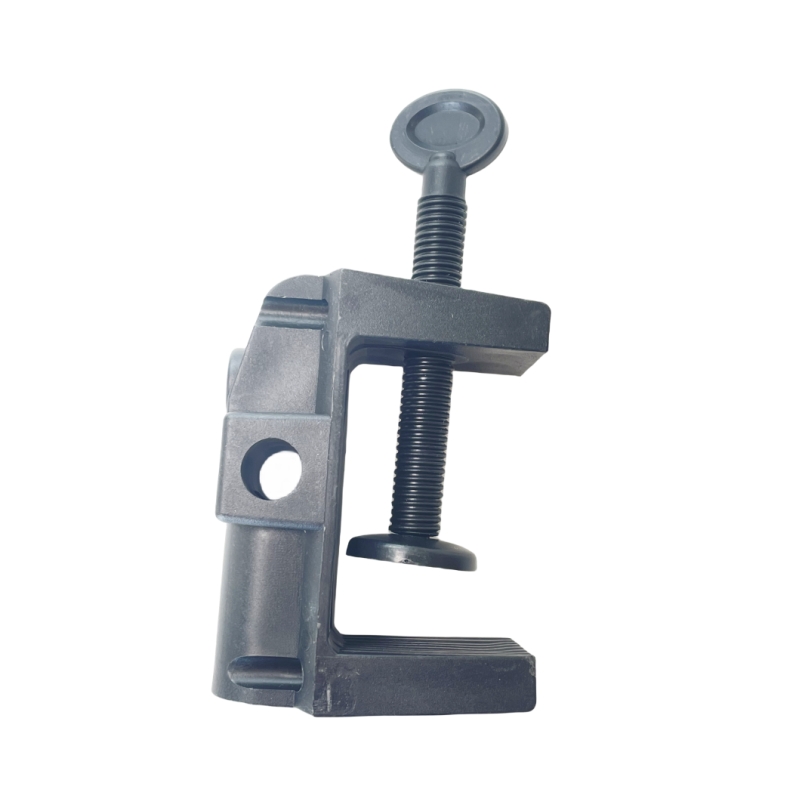
Mechanical installations across industries require precise alignment and unwavering stability to function effectively. Whether dealing with heavy machinery, precision instruments, or complex assemblies, the foundation of any reliable system lies in its ability to maintain structural integrity under various operational conditions. A well-designed clamp serves as the cornerstone of mechanical stability, providing the essential holding force that keeps components securely positioned while accommodating dynamic loads and environmental factors that could otherwise compromise system performance.
Understanding Mechanical Stability Fundamentals
Load Distribution and Force Management
Mechanical stability in installations depends heavily on how forces are distributed throughout the system. When components experience operational loads, vibrations, or thermal expansion, these forces must be effectively managed to prevent displacement or misalignment. A properly selected clamp creates multiple contact points that distribute stress evenly across the mounting surface, reducing localized pressure concentrations that could lead to material fatigue or component failure over time.
The geometry of clamp design plays a crucial role in force management effectiveness. Modern clamp systems incorporate engineered contact surfaces that maximize grip while minimizing stress concentration factors. This approach ensures that clamping forces remain consistent even as materials experience thermal cycling or mechanical wear, maintaining long-term stability in demanding industrial environments.
Dynamic Response Characteristics
Industrial machinery operates under constantly changing conditions, creating dynamic loads that challenge traditional mounting methods. A high-quality clamp must respond appropriately to these changing conditions while maintaining its primary function of securing components in place. The dynamic response characteristics of clamp systems determine how effectively they can absorb vibrations, accommodate thermal expansion, and resist loosening under cyclic loading conditions.
Advanced clamp designs incorporate features such as spring-loaded mechanisms or elastomeric elements that provide controlled compliance while maintaining adequate holding force. This balanced approach allows the clamp to accommodate normal operational movements while preventing excessive displacement that could compromise system performance or create safety hazards.
Engineering Principles Behind Clamp Performance
Material Science Considerations
The materials used in clamp construction directly impact their ability to provide stable mechanical connections. High-strength steel alloys offer excellent durability and consistent clamping force over extended periods, while specialized coatings enhance corrosion resistance and reduce maintenance requirements. The selection of appropriate materials must consider the operating environment, including temperature ranges, chemical exposure, and mechanical stress levels anticipated during service life.
Surface treatments and material compositions affect the coefficient of friction between clamp and workpiece, influencing the relationship between applied torque and achieved clamping force. Engineers must carefully evaluate these factors when specifying clamp systems to ensure optimal performance under specific operating conditions while maintaining adequate safety margins for unexpected load conditions.
Geometric Optimization Strategies
The geometric design of clamp components significantly influences their mechanical effectiveness and installation versatility. Contact surface profiles, thread specifications, and overall dimensional relationships must be optimized to achieve maximum holding power while facilitating easy installation and maintenance procedures. Modern clamp designs often incorporate multiple adjustment mechanisms that allow fine-tuning of clamping force and positioning accuracy.
Thread engagement length, contact area distribution, and stress flow patterns through the clamp body are carefully analyzed during the design process to ensure consistent performance across the full range of operating conditions. These geometric considerations become particularly important when dealing with precision applications where small positional variations can significantly impact system performance.
Applications Across Industrial Sectors
Manufacturing and Assembly Operations
Manufacturing environments present unique challenges for mechanical mounting systems, with requirements for rapid setup changes, precise positioning, and reliable performance under continuous operation cycles. In these applications, a versatile clamp system must provide secure holding while allowing efficient reconfiguration for different product variants or process modifications. The ability to maintain consistent clamping force across multiple setup changes directly impacts production quality and operational efficiency.
Assembly line applications particularly benefit from clamp designs that incorporate quick-release mechanisms while maintaining full holding capacity during operation. This capability reduces changeover times and minimizes production interruptions while ensuring that workpiece security is never compromised during critical manufacturing processes.
Heavy Equipment and Infrastructure
Large-scale mechanical installations require clamp systems capable of handling substantial loads while maintaining long-term reliability under harsh environmental conditions. Infrastructure applications such as pipeline supports, structural connections, and heavy machinery mounting present demanding requirements for clamping force magnitude and environmental resistance. The clamp systems used in these applications must demonstrate exceptional durability and consistent performance over extended service intervals.
Corrosion resistance becomes particularly critical in outdoor installations where exposure to moisture, chemicals, and temperature variations can rapidly degrade inferior mounting systems. Advanced clamp designs for these applications often incorporate specialized materials and protective treatments that extend service life while reducing maintenance requirements and associated operational costs.
Installation Best Practices and Optimization
Proper Torque Specification and Control
Achieving optimal clamp performance requires careful attention to installation procedures, particularly torque specification and control methods. Under-tightening results in insufficient clamping force that may allow component movement or loosening over time, while over-tightening can cause material damage or stress concentration that reduces long-term reliability. Proper torque values must be established based on clamp design, material properties, and specific application requirements.
Torque control methods range from simple torque wrenches for basic applications to sophisticated electronic monitoring systems for critical installations. The selected approach must provide adequate accuracy while remaining practical for field installation conditions. Documentation of torque values and regular verification procedures help ensure continued clamp effectiveness throughout the service life of the installation.
Environmental Factor Considerations
Environmental conditions significantly influence clamp selection and installation procedures, requiring careful evaluation of factors such as temperature cycling, chemical exposure, vibration levels, and accessibility for maintenance. Thermal expansion effects must be accommodated through appropriate clamp design selection or installation techniques that prevent binding or loss of clamping force as temperatures vary.
Vibration isolation requirements may necessitate the use of specialized clamp configurations that incorporate damping elements or flexible mounting interfaces. These design features help maintain secure connections while preventing the transmission of mechanical disturbances that could affect system performance or component longevity.
Maintenance and Long-Term Performance
Inspection and Monitoring Protocols
Regular inspection and monitoring of clamp installations ensure continued reliability and help identify potential issues before they result in system failures or safety hazards. Visual inspection procedures should include examination of clamp components for signs of wear, corrosion, or mechanical damage that could compromise holding capacity. Thread condition, surface contact integrity, and proper torque retention are key parameters that require periodic verification.
Advanced monitoring systems may incorporate load cells or torque sensors that provide continuous feedback on clamp performance status. These systems enable predictive maintenance approaches that optimize service intervals while ensuring consistent system reliability. The investment in monitoring technology often provides significant returns through reduced downtime and extended equipment life.
Replacement and Upgrade Strategies
Component replacement strategies must balance cost considerations with performance requirements and safety margins. Preventive replacement schedules based on service hours or cycle counts help avoid unexpected failures while optimizing maintenance costs. When considering clamp upgrades or replacements, compatibility with existing mounting interfaces and installation procedures should be evaluated alongside performance improvements.
Technology advances in clamp design may offer opportunities for performance improvements or maintenance reduction that justify upgrade investments. Modern clamp systems often provide enhanced corrosion resistance, improved fatigue life, or simplified installation procedures that can reduce long-term operating costs while improving system reliability.
Future Developments in Clamp Technology
Smart Monitoring Integration
The integration of smart monitoring capabilities into clamp systems represents a significant advancement in mechanical installation technology. Sensor-equipped clamp designs can provide real-time feedback on clamping force, component temperature, and structural integrity status. This information enables predictive maintenance strategies that optimize service intervals while ensuring continued reliability and safety.
Wireless communication capabilities allow monitoring data to be integrated into broader facility management systems, providing centralized visibility into the condition of critical mounting points throughout an installation. This connectivity enables more sophisticated maintenance planning and rapid response to developing issues that could affect system performance or safety.
Advanced Material Applications
Ongoing developments in materials science continue to expand the performance capabilities of clamp systems across demanding applications. Advanced alloys, composite materials, and specialized surface treatments offer improved strength-to-weight ratios, enhanced environmental resistance, and extended service life compared to traditional materials. These advances enable clamp applications in previously challenging environments while reducing maintenance requirements.
Shape memory alloys and other smart materials may eventually enable clamp systems that automatically adjust clamping force in response to changing environmental conditions or operational requirements. These adaptive capabilities could significantly improve system performance while reducing the complexity of installation and maintenance procedures.
FAQ
What factors determine the appropriate clamping force for a specific application
The appropriate clamping force depends on several key factors including the weight and geometry of the components being secured, anticipated dynamic loads from vibration or thermal cycling, material properties of both the clamp and workpiece, and safety margin requirements. Environmental conditions such as temperature variations and chemical exposure also influence force requirements, as these factors can affect material properties and joint integrity over time.
How do environmental conditions affect clamp performance and selection
Environmental conditions significantly impact clamp performance through effects on material properties, corrosion rates, and thermal expansion characteristics. High temperatures can reduce material strength and accelerate wear, while corrosive environments require specialized materials or protective coatings. Temperature cycling creates thermal stresses that must be accommodated through appropriate design features or installation techniques to prevent loosening or component damage.
What maintenance procedures help ensure continued clamp effectiveness
Effective maintenance procedures include regular visual inspections for signs of wear or damage, periodic torque verification to ensure proper clamping force retention, and cleaning to remove contaminants that could affect performance. Documentation of inspection results and torque values helps track component condition over time and supports predictive maintenance strategies. In critical applications, more sophisticated monitoring techniques such as ultrasonic testing or strain measurement may be appropriate.
How can clamp systems be optimized for specific operational requirements
Optimization involves careful evaluation of load patterns, environmental conditions, and performance requirements to select appropriate clamp designs and materials. Factors such as required holding force, adjustment frequency, maintenance accessibility, and cost constraints must be balanced to achieve optimal performance. Custom clamp configurations may be necessary for unique applications that cannot be adequately served by standard products, requiring collaboration between users and manufacturers to develop specialized solutions.