
 EN
EN
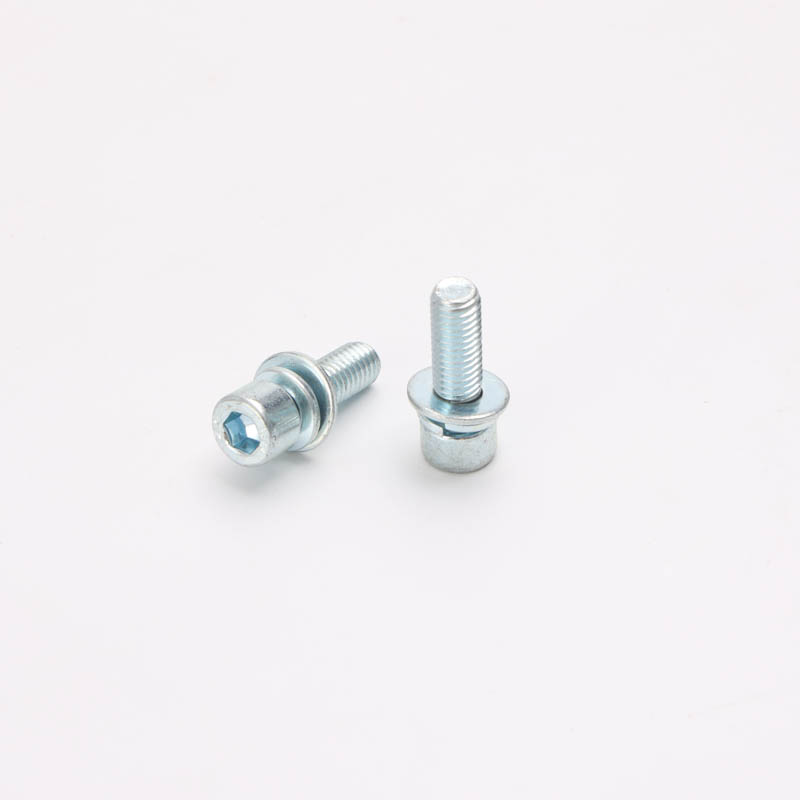
Distributors worldwide face increasing pressure to source reliable hose clamp set solutions that meet diverse industrial applications while maintaining competitive pricing. The global supply chain dynamics have fundamentally changed how procurement teams evaluate potential suppliers, requiring comprehensive assessment frameworks that go beyond traditional price comparisons. Modern distributors must navigate complex international markets where quality standards, delivery capabilities, and technical specifications vary significantly across regions. Understanding these evaluation criteria becomes crucial for building sustainable partnerships that support long-term business growth and customer satisfaction.

Quality Standards and Manufacturing Excellence
Material Specifications and Durability Testing
Quality assessment begins with understanding the material composition used in each hose clamp set manufacturing process. Distributors evaluate suppliers based on their ability to provide detailed material certifications, including stainless steel grades, galvanization processes, and coating applications. The most reliable suppliers maintain comprehensive quality control systems that include tensile strength testing, corrosion resistance evaluation, and dimensional accuracy verification. These technical specifications directly impact the performance longevity of hose clamp set products in various environmental conditions.
Manufacturing excellence extends beyond basic material quality to encompass production consistency and defect rates. Leading suppliers implement statistical process control methods that ensure each hose clamp set meets specified tolerances within acceptable variation limits. Distributors often request detailed quality reports that document testing procedures, rejection rates, and continuous improvement initiatives. This data-driven approach helps identify suppliers who demonstrate genuine commitment to manufacturing excellence rather than merely meeting minimum specifications.
International Quality Certifications
Global distributors prioritize suppliers who maintain recognized international quality certifications such as ISO 9001, IATF 16949, and industry-specific standards. These certifications indicate systematic quality management approaches that support consistent product delivery across different production batches. Suppliers with comprehensive certification portfolios typically demonstrate better capability to serve diverse market segments with varying quality requirements. The certification maintenance process also reveals supplier commitment to continuous improvement and regulatory compliance.
Certification verification involves reviewing audit reports, examining certification scope coverage, and understanding renewal schedules. Distributors evaluate whether suppliers maintain certifications across all manufacturing facilities or only select locations. This assessment becomes particularly important when sourcing hose clamp set products from suppliers with multiple production sites across different countries or regions.
Production Capacity and Scalability Assessment
Manufacturing Infrastructure Evaluation
Production capacity evaluation requires comprehensive analysis of supplier manufacturing infrastructure, including equipment capabilities, facility layouts, and workforce stability. Distributors assess whether suppliers can accommodate both current order volumes and potential future growth without compromising quality standards. Modern evaluation methods include facility audits that examine production flow efficiency, equipment maintenance programs, and capacity utilization rates across different product lines including specialized hose clamp set configurations.
Infrastructure assessment also considers technological advancement levels within supplier facilities. Advanced manufacturing technologies such as automated assembly systems, computer-controlled testing equipment, and integrated quality monitoring systems indicate supplier readiness to support high-volume requirements while maintaining consistency. These technological capabilities become particularly important when distributors need suppliers who can adapt quickly to changing market demands or implement custom specifications.
Supply Chain Flexibility and Responsiveness
Flexibility assessment focuses on supplier ability to adjust production schedules, accommodate rush orders, and respond to market fluctuations without significant lead time increases. Distributors evaluate historical performance data that demonstrates supplier responsiveness during peak demand periods or supply chain disruptions. This evaluation includes understanding backup supplier arrangements, inventory management strategies, and communication protocols during challenging operational periods.
Responsiveness evaluation extends to supplier willingness to develop custom hose clamp set solutions or modify existing products based on specific distributor requirements. Suppliers who maintain dedicated engineering resources and demonstrate collaborative approaches to product development often provide greater long-term value than those focused solely on standard product offerings. This capability becomes essential when distributors serve specialized industrial segments with unique application requirements.
Global Logistics and Distribution Capabilities
International Shipping and Delivery Performance
Logistics evaluation encompasses supplier expertise in international shipping regulations, customs documentation, and multi-modal transportation arrangements. Distributors assess supplier track records for on-time delivery performance across different geographic regions and their ability to manage complex shipping requirements including hazardous materials handling when applicable. Reliable suppliers maintain established relationships with international freight forwarders and demonstrate consistent delivery performance metrics.
Delivery performance analysis includes examining supplier capabilities for consolidated shipments, partial delivery accommodation, and emergency shipping arrangements. Distributors value suppliers who can optimize shipping costs through intelligent consolidation strategies while maintaining delivery schedule integrity. The ability to provide accurate delivery tracking information and proactive communication about potential delays represents another critical evaluation criterion for global hose clamp set sourcing partnerships.
Inventory Management and Stock Availability
Stock availability assessment involves understanding supplier inventory management systems, safety stock levels, and demand forecasting capabilities. Distributors evaluate whether suppliers maintain adequate inventory buffers to support consistent product availability without excessive carrying costs. Effective suppliers implement demand planning systems that anticipate seasonal fluctuations and market trends affecting hose clamp set requirements across different industrial sectors.
Inventory management evaluation also considers supplier transparency regarding stock levels, production schedules, and allocation policies during supply constraints. Distributors prefer suppliers who provide real-time inventory visibility and maintain fair allocation systems that support long-term partnership development rather than favoring only the largest customers during tight supply periods.
Technical Support and Product Development
Engineering Expertise and Application Support
Technical support evaluation focuses on supplier engineering capabilities, application expertise, and customer service responsiveness. Distributors assess whether suppliers maintain qualified technical staff who can provide product selection guidance, installation recommendations, and troubleshooting support for end-user applications. Strong technical support capabilities help distributors serve their customers more effectively while reducing returns and warranty claims related to incorrect product selection or application issues.
Engineering expertise assessment includes reviewing supplier ability to provide technical documentation, application guides, and installation specifications for different hose clamp set configurations. Suppliers who invest in comprehensive technical resources and training programs typically provide greater value to distributor partners by enabling them to expand into new market segments or serve more demanding applications with confidence.
Innovation and Product Development Capabilities
Innovation assessment examines supplier commitment to product development, research and development investments, and market trend awareness. Distributors evaluate supplier track records for introducing new products, improving existing designs, and responding to emerging market requirements. Innovative suppliers often provide competitive advantages through exclusive products or early access to new technologies that help distributors differentiate their offerings.
Product development evaluation includes understanding supplier collaboration approaches, intellectual property policies, and willingness to develop custom solutions. Distributors benefit from partnerships with suppliers who view product development as collaborative processes rather than purely internal activities. This collaborative approach often results in better market-aligned products and stronger competitive positioning for both parties.
Financial Stability and Partnership Reliability
Financial Health Assessment
Financial stability evaluation involves reviewing supplier credit ratings, financial statements, and payment history with other business partners. Distributors assess whether suppliers maintain adequate financial resources to support consistent operations, invest in facility improvements, and weather economic downturns without compromising product quality or delivery performance. Financial stability becomes particularly important for long-term contracts or when distributors rely heavily on specific suppliers for critical hose clamp set products.
Financial assessment also considers supplier investment patterns in manufacturing equipment, technology upgrades, and market expansion activities. Suppliers who demonstrate consistent reinvestment in their operations typically provide better long-term partnership stability and growth potential. This evaluation helps distributors identify suppliers who view their business relationships as strategic partnerships rather than transactional arrangements.
Business Ethics and Compliance Standards
Compliance evaluation encompasses supplier adherence to labor standards, environmental regulations, and business ethics principles. Distributors increasingly prioritize suppliers who maintain comprehensive compliance programs that address workplace safety, environmental protection, and fair labor practices. These standards become particularly important when serving customers who require supplier compliance documentation or when operating in markets with strict regulatory requirements.
Ethics assessment includes reviewing supplier policies regarding anti-corruption measures, conflict minerals sourcing, and social responsibility initiatives. Distributors value suppliers who demonstrate genuine commitment to ethical business practices rather than merely meeting minimum compliance requirements. This evaluation helps protect distributor reputations and supports sustainable business growth in increasingly regulated global markets.
Pricing Strategy and Cost Management
Total Cost of Ownership Analysis
Cost evaluation extends beyond initial purchase prices to encompass total ownership costs including shipping expenses, inventory carrying costs, and quality-related expenses. Distributors assess supplier pricing structures, payment terms, and volume discount programs to understand true cost implications across different order patterns and business volumes. Effective cost analysis considers both direct costs and indirect expenses related to supplier management, quality issues, and delivery delays.
Total cost analysis includes evaluating supplier ability to provide cost reduction initiatives through value engineering, process improvements, or supply chain optimization. Suppliers who actively seek cost reduction opportunities while maintaining quality standards often provide better long-term value than those focused solely on maintaining current pricing levels. This collaborative approach to cost management supports mutually beneficial partnership development and competitive market positioning.
Market Competitiveness and Value Proposition
Competitive analysis involves comparing supplier offerings against market alternatives considering price, quality, service, and unique capabilities. Distributors evaluate whether supplier pricing remains competitive across different market segments while providing adequate margins for sustainable business operations. This analysis includes understanding supplier cost structures, pricing flexibility, and ability to respond to competitive pressures without compromising partnership terms.
Value proposition assessment considers unique supplier capabilities that differentiate their hose clamp set offerings from standard market alternatives. These differentiators might include specialized coatings, custom sizing options, enhanced corrosion resistance, or integrated assembly solutions. Distributors value suppliers who provide clear competitive advantages that support premium pricing or market expansion opportunities.
FAQ
What documentation should distributors request when evaluating hose clamp set suppliers?
Distributors should request comprehensive documentation including material certifications, quality control procedures, testing reports, and production capacity statements. Essential documents include ISO certifications, material traceability records, dimensional tolerance specifications, and performance test results. Additionally, request financial statements, insurance certificates, compliance documentation, and customer reference lists to support thorough supplier evaluation processes.
How do distributors assess supplier production capacity for large volume orders?
Production capacity assessment involves reviewing manufacturing equipment specifications, facility layouts, workforce capabilities, and historical production volumes. Distributors should conduct facility audits, examine production scheduling systems, and analyze capacity utilization rates across different product lines. Request detailed capacity statements that include maximum daily/monthly production rates, lead time requirements, and scalability options for future growth requirements.
What factors determine optimal supplier geographic distribution for global distributors?
Geographic distribution strategy depends on customer proximity, shipping costs, delivery time requirements, and risk diversification considerations. Distributors evaluate regional market demand patterns, local quality standards, and regulatory requirements when selecting supplier locations. Consider factors including currency fluctuation impacts, political stability, trade agreement benefits, and supply chain resilience when developing optimal geographic supplier distribution strategies.
How should distributors evaluate supplier innovation capabilities and future development potential?
Innovation evaluation involves reviewing supplier research and development investments, new product introduction history, and technical expertise levels. Assess supplier engineering capabilities, patent portfolios, collaboration approaches, and market trend awareness. Request information about upcoming product developments, technology investments, and willingness to participate in joint development projects that support competitive differentiation and market expansion opportunities.
Table of Contents
- Quality Standards and Manufacturing Excellence
- Production Capacity and Scalability Assessment
- Global Logistics and Distribution Capabilities
- Technical Support and Product Development
- Financial Stability and Partnership Reliability
- Pricing Strategy and Cost Management
-
FAQ
- What documentation should distributors request when evaluating hose clamp set suppliers?
- How do distributors assess supplier production capacity for large volume orders?
- What factors determine optimal supplier geographic distribution for global distributors?
- How should distributors evaluate supplier innovation capabilities and future development potential?