
 EN
EN
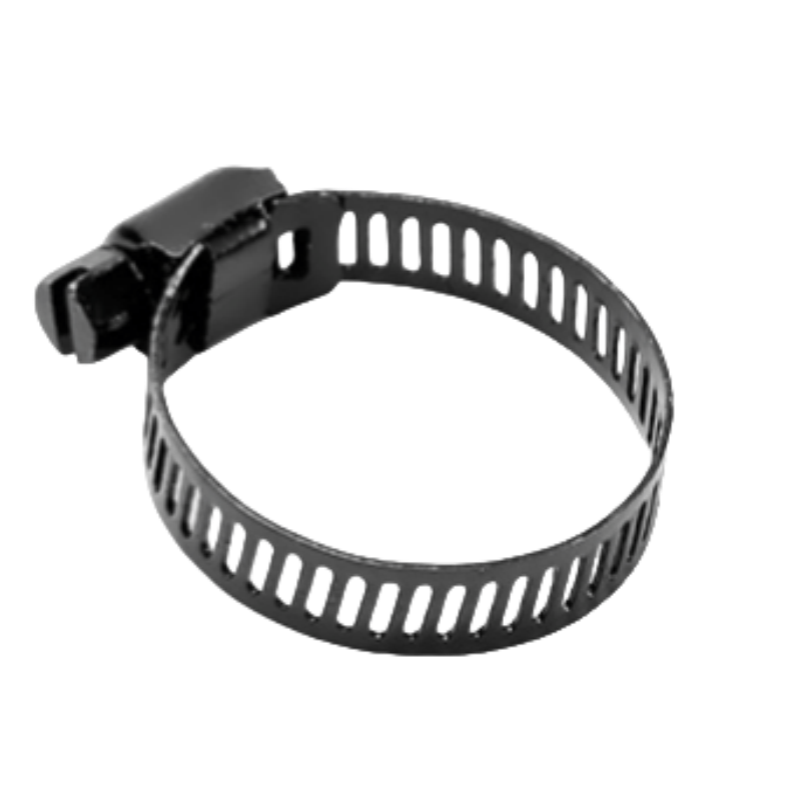
Wholesale distributors face critical decisions when selecting hose clamp sets for their inventory. The success of their business depends on choosing products that meet diverse customer requirements while maintaining competitive pricing and reliable performance. A comprehensive hose clamp set serves multiple industries, from automotive repair shops to industrial manufacturing facilities, making product selection a strategic business decision that impacts long-term profitability and customer satisfaction.
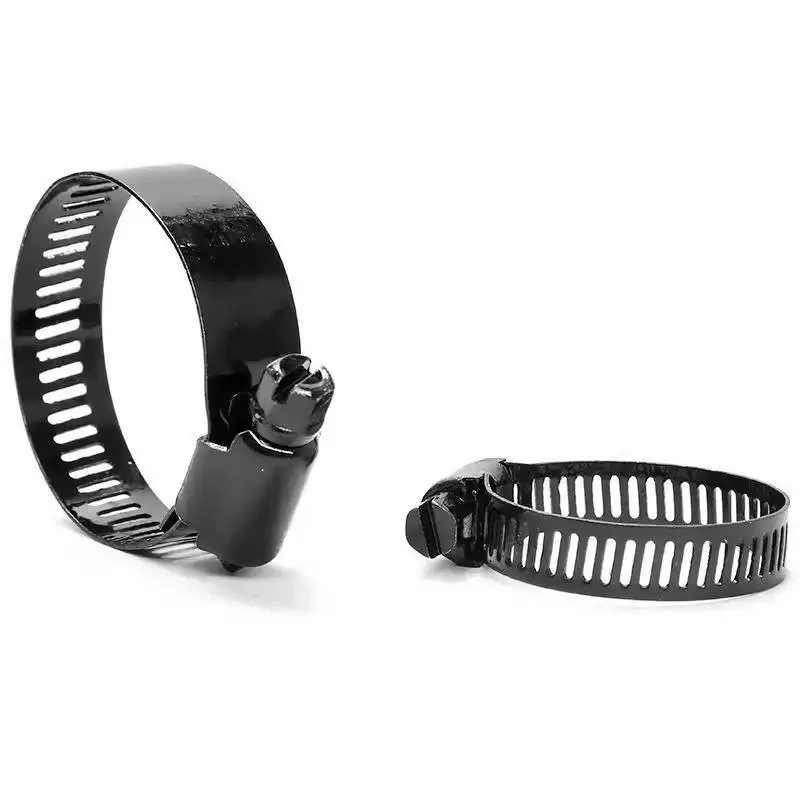
Understanding market demands requires distributors to evaluate various factors including material quality, size ranges, and application versatility. Professional buyers analyze these components to ensure their hose clamp set inventory aligns with customer expectations and industry standards. This strategic approach enables distributors to build strong relationships with end users while maintaining healthy profit margins in competitive markets.
Material Quality Assessment for Distribution Success
Stainless Steel Grade Considerations
Stainless steel grade selection directly impacts the performance and longevity of any hose clamp set intended for wholesale distribution. Grade 304 stainless steel offers excellent corrosion resistance for general applications, while Grade 316 provides superior performance in marine and chemical environments. Distributors must understand these material differences to match products with specific customer requirements and avoid costly returns or warranty claims.
The manufacturing process also affects material integrity, with cold-formed clamps typically offering better strength characteristics than stamped alternatives. Professional buyers examine surface finishes and edge treatments to ensure consistent quality across their hose clamp set inventory. These quality indicators help distributors maintain reputation and customer trust in competitive wholesale markets.
Coating and Surface Treatment Options
Advanced coating technologies extend the service life of hose clamp sets in challenging environments. Zinc plating provides basic corrosion protection for indoor applications, while specialized coatings like black oxide or polymer treatments offer enhanced durability for automotive and industrial uses. Distributors evaluate these options based on their customer base and regional environmental conditions.
Surface treatment consistency affects both performance and appearance, making it a crucial factor in wholesale purchasing decisions. Professional buyers inspect coating thickness and uniformity to ensure products meet industry standards and customer expectations. This attention to detail prevents quality issues that could damage distributor relationships and brand reputation in the marketplace.
Size Range and Application Versatility
Comprehensive Diameter Coverage
A well-designed hose clamp set must cover the most common diameter ranges found in target markets. Automotive applications typically require sizes from 8mm to 76mm, while industrial installations may demand larger diameters up to 152mm or beyond. Distributors analyze their customer base to determine optimal size distributions that minimize inventory costs while maximizing market coverage.
Size increment spacing affects customer convenience and inventory efficiency. Smaller increments provide better fit options but require larger inventory investments. Professional buyers balance these considerations by selecting hose clamp set configurations that offer practical size steps without excessive complexity or storage requirements.
Band Width and Strength Specifications
Band width directly correlates with clamping strength and pressure distribution, making it a critical specification for wholesale buyers. Standard 12.7mm bands suit most general applications, while heavy-duty applications require 19mm or wider bands for adequate performance. Distributors must understand these technical requirements to recommend appropriate products for specific customer needs.
Strength specifications help distributors match products with application requirements and avoid over-engineering or under-specification issues. Professional buyers review torque specifications and pressure ratings to ensure their hose clamp set inventory meets industry standards and customer performance expectations.
Packaging and Presentation Standards
Retail-Ready Packaging Solutions
Professional packaging enhances product appeal and protects inventory during storage and transportation. Clear labeling systems help customers identify appropriate sizes and specifications quickly, reducing selection errors and return rates. Distributors prefer hose clamp set packaging that includes comprehensive size charts and application guidelines for customer convenience.
Durable packaging materials prevent damage during handling and extend shelf life in warehouse environments. Plastic cases with secure closures offer better protection than cardboard alternatives, while transparent sections allow visual inspection without opening containers. These packaging features contribute to overall customer satisfaction and inventory management efficiency.
Documentation and Technical Support
Comprehensive product documentation adds value for both distributors and end users. Installation instructions, torque specifications, and application guidelines help customers achieve optimal results while reducing technical support requirements. Professional buyers prioritize hose clamp set suppliers who provide detailed technical information and responsive customer support services.
Certification documents and compliance statements enable distributors to serve regulated industries with confidence. These materials demonstrate product quality and regulatory compliance, supporting sales efforts in demanding applications. Distributors value suppliers who maintain current certifications and provide updated documentation as standards evolve.
Supplier Evaluation and Partnership Development
Manufacturing Capability Assessment
Supplier manufacturing capabilities directly impact product quality and delivery reliability. Distributors evaluate production equipment, quality control systems, and capacity limitations to ensure consistent supply availability. Modern manufacturing facilities with automated production lines typically provide better consistency and cost efficiency for hose clamp set production.
Quality management systems demonstrate supplier commitment to consistent product standards. ISO certification and documented quality procedures provide confidence in ongoing product reliability. Professional buyers review these systems to minimize quality risks and ensure long-term partnership success in competitive markets.
Logistics and Supply Chain Considerations
Efficient logistics support enables distributors to maintain optimal inventory levels while minimizing carrying costs. Suppliers with flexible delivery schedules and reliable transportation networks help distributors respond quickly to market demands. Hose clamp set suppliers who understand distributor requirements provide valuable competitive advantages in fast-moving markets.
Geographic proximity affects shipping costs and delivery times, making supplier location an important consideration for regional distributors. Local suppliers often provide faster response times and lower transportation costs, while international suppliers may offer better pricing for large volume purchases. Distributors balance these factors based on their specific market requirements and customer service commitments.
Market Analysis and Customer Segmentation
Industry Application Patterns
Different industries have distinct requirements for hose clamp set specifications and performance characteristics. Automotive repair facilities prioritize standard sizes and quick availability, while industrial maintenance operations focus on heavy-duty performance and specialized materials. Understanding these patterns helps distributors optimize inventory composition and supplier relationships.
Seasonal demand variations affect inventory planning and supplier agreements. Agricultural equipment servicing peaks during planting and harvest seasons, while marine applications concentrate in spring preparation periods. Professional buyers analyze these patterns to optimize purchasing schedules and inventory investments throughout the year.
Competitive Positioning Strategies
Market positioning requires distributors to differentiate their hose clamp set offerings through value-added services or unique product features. Technical support, custom packaging, or specialized product configurations can provide competitive advantages over standard commodity suppliers. These strategies help maintain healthy margins while building customer loyalty in price-sensitive markets.
Price point optimization balances competitive pressure with profitability requirements. Distributors analyze competitor offerings and customer feedback to identify optimal pricing strategies for different market segments. This analysis guides product selection and supplier negotiations to maintain competitive positions while preserving business sustainability.
Quality Control and Testing Protocols
Incoming Inspection Procedures
Systematic quality control prevents defective products from reaching customers and protects distributor reputation. Visual inspection procedures identify obvious defects, while dimensional verification ensures size accuracy across hose clamp set inventories. Professional distributors establish clear acceptance criteria and document inspection results for quality tracking purposes.
Sample testing protocols verify material properties and performance characteristics on representative units. Torque testing, corrosion resistance evaluation, and dimensional accuracy verification provide confidence in overall product quality. These procedures help distributors maintain consistent quality standards and identify potential supplier issues before they affect customer relationships.
Customer Feedback Integration
Customer feedback provides valuable insights into product performance and market requirements. Distributors who systematically collect and analyze this information can identify improvement opportunities and guide future purchasing decisions. Regular feedback review helps maintain product quality and customer satisfaction in dynamic market conditions.
Warranty claims and return analysis reveal patterns that indicate quality issues or application mismatches. Professional buyers use this data to refine supplier selection criteria and improve customer education programs. This systematic approach reduces future problems and strengthens overall business relationships with both suppliers and customers.
FAQ
What size ranges should a comprehensive hose clamp set include for wholesale distribution
A comprehensive hose clamp set for wholesale distribution should typically cover diameters from 8mm to 76mm with 6-8mm increments for automotive applications, and extend to 152mm for industrial markets. The optimal size distribution depends on your customer base, but most distributors find success with sets containing 15-20 different sizes that cover 90% of common applications. Professional buyers should analyze their regional market requirements and customer feedback to determine the most effective size range for their specific distribution territory.
How do material grades affect hose clamp set pricing and customer satisfaction
Material grade selection significantly impacts both cost and performance characteristics of hose clamp sets. Grade 304 stainless steel offers excellent value for general applications at moderate pricing, while Grade 316 commands premium prices but provides superior corrosion resistance for marine and chemical environments. Distributors typically maintain inventory in both grades to serve different market segments, with Grade 304 representing 70-80% of volume sales and Grade 316 serving specialized applications where performance justifies higher costs.
What packaging features add the most value for hose clamp set customers
Professional packaging that includes clear size identification, comprehensive application charts, and durable storage containers provides the greatest customer value. Transparent sections for visual inspection, secure closure systems, and compact organization reduce handling time and prevent loss of individual components. Distributors report that well-designed packaging reduces customer complaints by 40-50% and supports premium pricing through perceived value enhancement, making packaging investment a profitable business strategy.
How should distributors evaluate supplier quality management systems
Effective supplier evaluation focuses on documented quality procedures, certification compliance, and performance track records. ISO 9001 certification provides baseline confidence, while industry-specific certifications demonstrate specialized competence. Distributors should review quality control documentation, visit manufacturing facilities when possible, and analyze supplier performance data including delivery reliability, defect rates, and customer feedback. Establishing clear quality requirements and regular performance reviews ensures consistent hose clamp set quality that supports long-term business relationships and customer satisfaction.
Table of Contents
- Material Quality Assessment for Distribution Success
- Size Range and Application Versatility
- Packaging and Presentation Standards
- Supplier Evaluation and Partnership Development
- Market Analysis and Customer Segmentation
- Quality Control and Testing Protocols
-
FAQ
- What size ranges should a comprehensive hose clamp set include for wholesale distribution
- How do material grades affect hose clamp set pricing and customer satisfaction
- What packaging features add the most value for hose clamp set customers
- How should distributors evaluate supplier quality management systems