 EN
EN
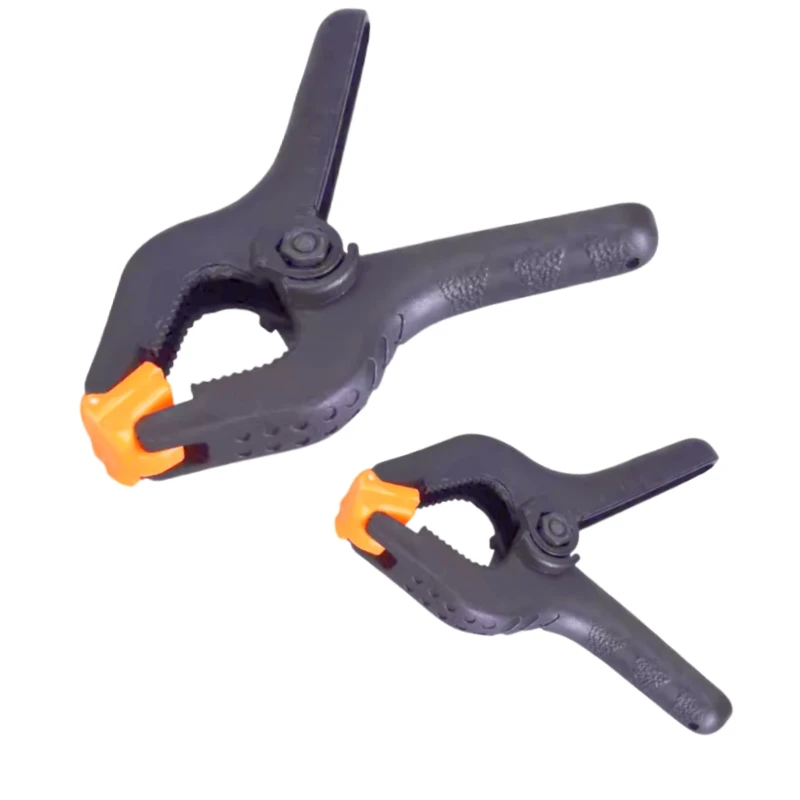
When industrial buyers search for reliable OEM suppliers, evaluating spring hose clamp manufacturers requires a systematic approach that balances quality, cost-effectiveness, and long-term partnership potential. The complexity of modern supply chains demands that procurement professionals thoroughly assess multiple factors before committing to a supplier relationship. Understanding the critical evaluation criteria helps buyers make informed decisions that support their operational excellence and product reliability goals.
Manufacturing Capabilities and Quality Standards
Production Capacity Assessment
Evaluating a spring hose clamp manufacturer's production capacity forms the foundation of supplier assessment. Buyers must examine annual output volumes, peak production capabilities, and scalability potential to ensure the supplier can meet current and future demand requirements. Manufacturing facilities should demonstrate consistent output quality across different production volumes, maintaining tight tolerances regardless of order size. The ability to handle surge demands during peak seasons or unexpected market fluctuations represents a critical capability that distinguishes reliable suppliers from marginal ones.
Advanced manufacturing equipment and automated production lines indicate a supplier's commitment to efficiency and quality consistency. Modern spring hose clamp production requires precision tooling, controlled forming processes, and rigorous quality control systems. Buyers should assess whether manufacturers utilize computer-controlled machinery, automated inspection systems, and statistical process control methods. These technological investments directly impact product consistency, delivery reliability, and long-term cost competitiveness in the marketplace.
Quality Control Systems
Comprehensive quality management systems serve as the backbone of reliable spring hose clamp manufacturing operations. ISO 9001 certification represents the minimum standard, but leading suppliers often maintain additional certifications such as TS 16949 for automotive applications or AS 9100 for aerospace markets. These certifications demonstrate systematic approaches to quality control, continuous improvement, and customer satisfaction that align with OEM requirements for consistent product performance.
Material traceability and batch control systems enable manufacturers to track raw materials from receipt through finished product delivery. This capability becomes essential when quality issues arise or when regulatory compliance requires detailed documentation. Effective spring hose clamp manufacturers maintain detailed records of material properties, processing parameters, and inspection results for each production batch. Such documentation supports root cause analysis and enables rapid response to customer concerns or field issues.
Technical Expertise and Engineering Support
Design and Development Capabilities
Technical competence in spring hose clamp design and development distinguishes exceptional suppliers from commodity manufacturers. Buyers should evaluate suppliers' engineering teams, design software capabilities, and prototype development processes. Advanced computer-aided design systems, finite element analysis capabilities, and rapid prototyping equipment enable suppliers to support custom applications and product optimization initiatives. These technical resources become particularly valuable when developing specialized spring hose clamp solutions for unique operating environments or performance requirements.
Material science expertise plays a crucial role in spring hose clamp performance optimization. Suppliers with deep knowledge of spring steel properties, surface treatments, and corrosion resistance can recommend optimal solutions for specific applications. Understanding fatigue life characteristics, temperature stability, and chemical compatibility enables manufacturers to specify appropriate materials and processing methods. This expertise becomes essential when spring hose clamp applications involve extreme temperatures, corrosive environments, or high-cycle fatigue conditions.
Application Engineering Support
Comprehensive application engineering support differentiates value-added suppliers from basic component providers. Expert spring hose clamp manufacturers offer technical consultation services, installation guidance, and performance optimization recommendations. This support includes proper sizing calculations, torque specifications, and compatibility assessments with mating components. Such technical assistance reduces design risks, accelerates product development timelines, and ensures optimal performance in end-use applications.
Field application experience provides valuable insights that enhance spring hose clamp design and selection processes. Suppliers with extensive application databases can share best practices, identify potential failure modes, and recommend preventive measures. This knowledge transfer helps buyers avoid common pitfalls and optimize system performance. Regular technical seminars, application notes, and troubleshooting guides demonstrate a supplier's commitment to customer success beyond basic product delivery.
Supply Chain Management and Logistics
Raw Material Sourcing Strategy
Effective raw material sourcing strategies ensure consistent spring hose clamp quality and delivery performance. Buyers should evaluate suppliers' relationships with steel mills, their inventory management practices, and their ability to secure materials during market disruptions. Diversified sourcing strategies reduce supply risks, while strategic partnerships with key material suppliers often provide cost advantages and priority allocation during shortages. Understanding a manufacturer's material sourcing approach helps buyers assess supply continuity risks and cost stability.
Material certification and testing programs validate incoming raw material quality and ensure compliance with specifications. Leading spring hose clamp manufacturers maintain approved vendor lists, conduct incoming inspections, and perform periodic material audits. These quality assurance measures prevent defective materials from entering production and ensure consistent product performance. Buyers should verify that suppliers maintain appropriate material certifications and conduct regular quality audits of their supply base.
Inventory Management and Delivery Systems
Sophisticated inventory management systems enable spring hose clamp suppliers to optimize stock levels while maintaining high service levels. Just-in-time delivery capabilities, vendor-managed inventory programs, and flexible scheduling options provide operational advantages for OEM customers. Advanced planning systems that integrate demand forecasting, production scheduling, and logistics coordination help ensure timely delivery while minimizing inventory carrying costs. These capabilities become particularly important for customers with lean manufacturing operations or complex assembly schedules.
Geographic distribution networks and logistics partnerships affect delivery speed and cost for spring hose clamp procurement. Suppliers with strategically located warehouses, reliable shipping partnerships, and expedited delivery options provide operational flexibility for urgent requirements. Understanding a supplier's logistics capabilities helps buyers plan inventory strategies and evaluate total cost of ownership. Emergency response capabilities for critical situations demonstrate supplier commitment to customer support and operational continuity.
Financial Stability and Business Practices
Financial Health Assessment
Evaluating the financial stability of spring hose clamp manufacturers protects buyers from supply disruptions and ensures long-term partnership viability. Financial analysis should include revenue trends, profitability metrics, debt levels, and cash flow patterns. Suppliers with strong balance sheets and consistent profitability demonstrate business sustainability and investment capacity for technology upgrades and capacity expansion. Credit ratings, bank references, and audited financial statements provide objective measures of financial health and business stability.
Investment in research and development indicates a supplier's commitment to innovation and competitive positioning. Spring hose clamp manufacturers that allocate significant resources to product development, process improvement, and technology advancement demonstrate forward-thinking approaches that benefit customers. Such investments enable suppliers to offer enhanced products, improved manufacturing efficiency, and competitive pricing over time. Buyers should assess R&D spending levels and review recent innovation achievements when evaluating potential suppliers.
Business Ethics and Compliance
Comprehensive compliance programs covering environmental regulations, labor practices, and business ethics represent essential requirements for responsible spring hose clamp sourcing. Suppliers should maintain appropriate environmental certifications, demonstrate fair labor practices, and adhere to anti-corruption policies. These compliance measures reduce legal risks, support corporate social responsibility objectives, and ensure sustainable business relationships. Regular audits and compliance reporting provide ongoing verification of ethical business practices.
Intellectual property protection and confidentiality policies safeguard proprietary designs and sensitive business information. Spring hose clamp suppliers handling custom designs or proprietary applications must demonstrate robust data security measures and clear IP protection policies. Non-disclosure agreements, secure data handling procedures, and controlled access systems protect customer information and prevent unauthorized technology transfer. These safeguards become particularly important when developing exclusive products or sharing sensitive design requirements.
Cost Analysis and Value Proposition
Total Cost of Ownership Evaluation
Comprehensive cost analysis for spring hose clamp procurement extends beyond unit pricing to include total cost of ownership considerations. Factors such as delivery costs, inventory carrying costs, quality-related expenses, and administrative overhead significantly impact overall procurement costs. Suppliers offering value-added services, reduced inspection requirements, or simplified ordering processes can provide substantial cost savings despite potentially higher unit prices. Understanding these total cost implications enables more accurate supplier comparisons and better sourcing decisions.
Quality costs represent a critical component of total ownership expenses for spring hose clamp procurement. Suppliers with consistently high quality reduce incoming inspection costs, minimize warranty claims, and eliminate field failure expenses. The cost of quality issues, including production delays, customer complaints, and reputation damage, often exceeds the savings from lower-priced alternatives. Evaluating suppliers' quality track records and calculating quality-related costs provides essential input for sourcing decisions that optimize long-term value.
Pricing Strategy and Cost Structure
Understanding spring hose clamp manufacturers' pricing strategies and cost structures enables effective negotiation and long-term cost planning. Suppliers with transparent pricing models, clear cost breakdown explanations, and reasonable margin expectations demonstrate professional approach to customer relationships. Volume-based pricing tiers, long-term contract discounts, and value engineering opportunities provide mechanisms for cost optimization over time. Such pricing flexibility supports strategic partnerships and mutual business growth.
Market positioning and competitive analysis help buyers understand supplier pricing relative to market conditions and alternative sources. Spring hose clamp manufacturers competing primarily on lowest price often sacrifice quality or service capabilities, while premium suppliers may offer superior value through enhanced features or support services. Understanding each supplier's market position and value proposition enables buyers to select partners that align with their quality requirements and cost objectives.
FAQ
What are the most important quality certifications for spring hose clamp manufacturers?
ISO 9001 quality management certification represents the fundamental requirement, providing assurance of systematic quality control processes. Industry-specific certifications such as TS 16949 for automotive applications or AS 9100 for aerospace markets indicate specialized expertise and compliance with sector-specific quality requirements. Additional certifications like ISO 14001 for environmental management and OHSAS 18001 for occupational health and safety demonstrate comprehensive management system maturity.
How can buyers assess the technical capabilities of spring hose clamp suppliers?
Technical assessment should include evaluation of engineering staff qualifications, design software capabilities, testing equipment, and prototype development resources. Requesting technical presentations, reviewing case studies of complex applications, and conducting facility tours provide insights into actual capabilities. Suppliers' ability to provide technical documentation, perform stress analysis, and offer application engineering support indicates sophisticated technical competence that adds value beyond basic product supply.
What financial metrics should buyers examine when evaluating spring hose clamp manufacturers?
Key financial indicators include revenue growth trends, profit margins, debt-to-equity ratios, and cash flow stability over multiple years. Credit ratings from recognized agencies, bank references, and audited financial statements provide objective financial health assessments. Investment levels in research and development, capital equipment, and facility improvements indicate supplier commitment to long-term competitiveness and customer support capabilities.
How important is geographic location when selecting spring hose clamp suppliers?
Geographic proximity affects delivery times, shipping costs, and responsiveness to urgent requirements, making location an important consideration for many applications. However, global suppliers with strong logistics networks and local distribution capabilities can often match or exceed the service levels of nearby suppliers. The key factors include total delivery time, shipping costs, inventory support options, and emergency response capabilities rather than simple distance measurements.
Table of Contents
- Manufacturing Capabilities and Quality Standards
- Technical Expertise and Engineering Support
- Supply Chain Management and Logistics
- Financial Stability and Business Practices
- Cost Analysis and Value Proposition
-
FAQ
- What are the most important quality certifications for spring hose clamp manufacturers?
- How can buyers assess the technical capabilities of spring hose clamp suppliers?
- What financial metrics should buyers examine when evaluating spring hose clamp manufacturers?
- How important is geographic location when selecting spring hose clamp suppliers?