
 EN
EN
Selecting the appropriate hexhead cap screw for structural joints requires careful consideration of multiple engineering factors that directly impact connection integrity and long-term performance. The proper hexhead cap screw selection process involves analyzing load requirements, material compatibility, environmental conditions, and installation constraints to ensure optimal structural performance. Engineers and construction professionals must understand that a hexhead cap screw serves as a critical component in transferring loads between structural elements, making proper selection essential for safety and durability. The complexity of modern structural applications demands thorough knowledge of hexhead cap screw specifications, performance characteristics, and installation requirements to achieve reliable connections.
Understanding Hexhead Cap Screw Fundamentals
Basic Design Characteristics
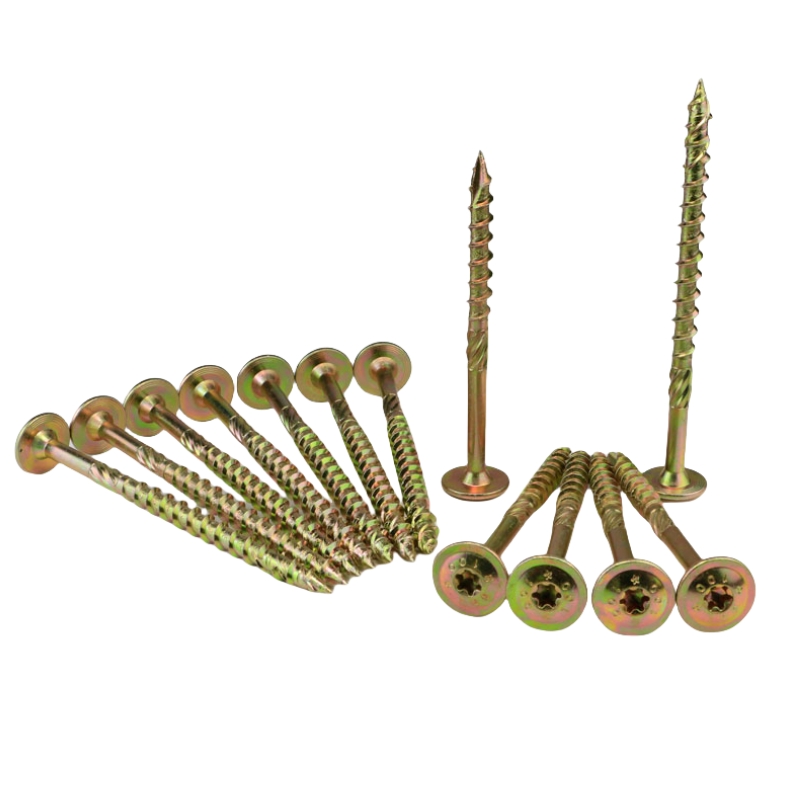
The hexhead cap screw features a distinctive hexagonal head design that provides superior torque transfer capabilities compared to other screw head configurations. This design allows for precise installation using standard hex socket tools, ensuring consistent clamping force application across structural connections. The hexhead cap screw body typically incorporates fully threaded or partially threaded shanks, depending on specific application requirements and loading conditions. Understanding these fundamental design elements helps engineers make informed decisions when specifying fasteners for critical structural applications.
Material composition plays a crucial role in hexhead cap screw performance, with options ranging from standard carbon steel to high-strength alloy steel and stainless steel variants. The selection of appropriate material grades directly affects the fastener's tensile strength, corrosion resistance, and temperature performance characteristics. Engineers must evaluate these material properties against specific project requirements to ensure long-term structural integrity and performance reliability.
Thread Configuration and Pitch
Thread configuration significantly influences the holding power and installation characteristics of any hexhead cap screw application. Standard metric and unified thread systems offer different pitch options that affect the fastener's ability to resist loosening under dynamic loads. Fine thread pitches provide improved resistance to vibration-induced loosening, while coarse threads offer faster installation and better performance in materials with lower shear strength. The hexhead cap screw thread engagement length must be carefully calculated to ensure adequate thread shear strength and prevent premature failure under design loads.
Thread tolerances and fit classifications determine the precision of engagement between the hexhead cap screw and mating components. Class 2A and 2B fits provide standard commercial tolerances suitable for most structural applications, while tighter tolerances may be required for precision assemblies or high-stress connections. Understanding thread specifications ensures proper fastener selection and optimal connection performance throughout the structure's service life.
Load Analysis and Capacity Determination
Tensile and Shear Load Calculations
Proper hexhead cap screw selection requires comprehensive analysis of both tensile and shear loads that will be applied to the connection during service. Tensile loads act perpendicular to the fastener axis, creating stress concentrations in the threaded portion and potentially causing failure if the selected hexhead cap screw lacks adequate capacity. Engineering calculations must account for both static and dynamic loading conditions, including wind loads, seismic forces, thermal expansion effects, and operational loads that may vary over time.
Shear load analysis focuses on forces acting parallel to the fastener axis, which can cause bearing failure in connected materials or shear failure in the fastener itself. The effective shear area of a hexhead cap screw depends on thread engagement length, material properties, and connection geometry. Engineers must ensure that the selected fastener provides adequate safety margins for both shear and bearing stresses under all anticipated loading conditions.
Safety Factors and Design Margins
Establishing appropriate safety factors for hexhead cap screw connections requires consideration of load uncertainties, material property variations, and potential installation imperfections. Industry standards typically recommend minimum safety factors of 2.0 to 4.0, depending on loading type, consequence of failure, and service environment. The hexhead cap screw capacity must exceed design loads by these safety margins to ensure reliable performance throughout the structure's intended service life.
Dynamic load conditions may require additional safety considerations beyond static load analysis. Fatigue loading can significantly reduce the effective strength of a hexhead cap screw connection, particularly in applications subject to repeated loading cycles. Engineers must evaluate fatigue life requirements and select fasteners with appropriate endurance limits to prevent premature failure due to cyclic loading effects.
Material Selection and Environmental Considerations
Corrosion Resistance Requirements
Environmental exposure conditions significantly influence hexhead cap screw material selection, particularly regarding corrosion resistance requirements. Standard carbon steel fasteners provide excellent strength characteristics but require protective coatings or environmental isolation to prevent corrosion in exposed applications. Galvanized coatings offer moderate corrosion protection suitable for many structural applications, while stainless steel variants provide superior resistance to harsh environmental conditions.
The selection of appropriate corrosion protection must consider both initial cost and lifecycle maintenance requirements. A properly selected hexhead cap screw with adequate corrosion resistance can eliminate the need for periodic replacement and reduce long-term maintenance costs. Chemical compatibility between fastener materials and connected components must also be evaluated to prevent galvanic corrosion in mixed-metal assemblies.
Temperature Performance Characteristics
Temperature extremes can significantly affect hexhead cap screw performance through thermal expansion effects, material property changes, and stress relaxation phenomena. High-temperature applications may require specialized alloy materials that maintain strength characteristics at elevated temperatures, while low-temperature service may demand materials with adequate impact toughness to prevent brittle failure. The hexhead cap screw selection process must account for both operating temperature ranges and thermal cycling effects that can induce additional stresses in connections.
Thermal expansion coefficient differences between fastener materials and connected components can create significant stress concentrations during temperature changes. Engineers must calculate thermal stress effects and ensure that the selected hexhead cap screw can accommodate thermal movement without exceeding allowable stress limits or compromising connection integrity.
Installation Requirements and Torque Specifications
Proper Installation Techniques
Correct installation procedures are essential for achieving optimal hexhead cap screw performance in structural applications. Proper hole preparation, including accurate drilling, deburring, and cleaning, ensures uniform load distribution and prevents stress concentrations that could lead to premature failure. The hexhead cap screw installation sequence must follow established procedures to achieve consistent preload levels and avoid over-stressing of fasteners or connected materials.
Installation torque values must be carefully controlled to achieve proper preload without exceeding the fastener's yield strength or damaging connected materials. Under-torquing can result in loose connections that may fail under service loads, while over-torquing can cause thread stripping, fastener failure, or damage to connected components. The hexhead cap screw installation process should include torque verification procedures to ensure consistent results across all connections in a structure.
Quality Control and Inspection
Quality control procedures for hexhead cap screw installations should include visual inspection, torque verification, and documentation of installation parameters. Proper inspection protocols help identify potential installation defects before they can affect structural performance or safety. The hexhead cap screw inspection process should verify proper engagement length, absence of cross-threading, and achievement of specified torque values.
Documentation of installation procedures and results provides valuable information for future maintenance activities and helps establish accountability for connection quality. Regular inspection schedules should be established for critical hexhead cap screw connections, particularly in dynamic loading environments or harsh service conditions where fastener degradation may occur over time.
Specialty Applications and Advanced Considerations
High-Strength Connection Requirements
High-performance structural applications may require specialty hexhead cap screw variants with enhanced strength characteristics beyond standard commercial grades. These applications often involve critical load paths where connection failure could have severe consequences, demanding fasteners with exceptional reliability and performance margins. The hexhead cap screw selection for these applications must consider not only basic strength requirements but also factors such as stress corrosion cracking resistance, hydrogen embrittlement susceptibility, and long-term relaxation characteristics.
Advanced testing and qualification procedures may be required for critical hexhead cap screw applications, including proof load testing, tensile testing, and environmental exposure testing. These evaluation procedures help verify that selected fasteners will meet performance requirements throughout their intended service life and provide confidence in connection reliability under all anticipated service conditions.
Vibration and Dynamic Loading Considerations
Dynamic loading environments present unique challenges for hexhead cap screw connections, particularly regarding vibration-induced loosening and fatigue failure mechanisms. Specialized fastener designs, including prevailing torque features, mechanical locking elements, or chemical thread locking compounds, may be required to maintain connection integrity under dynamic conditions. The hexhead cap screw selection process must evaluate these dynamic loading effects and incorporate appropriate countermeasures to prevent connection degradation.
Fatigue life analysis becomes critical for hexhead cap screw applications subject to repeated loading cycles, as cyclic stresses can significantly reduce effective fastener strength compared to static loading conditions. Engineers must consider stress concentration factors, mean stress effects, and environmental influences on fatigue performance when selecting fasteners for dynamic applications.
FAQ
What factors determine the appropriate hexhead cap screw size for a specific structural joint
The appropriate hexhead cap screw size depends on several critical factors including the magnitude of applied loads, the thickness and material properties of connected components, the required safety factors, and the available space for installation. Load analysis determines the minimum fastener diameter needed to resist tensile and shear forces, while material thickness influences the required thread engagement length. Engineers must also consider edge distances, spacing requirements, and installation access when determining optimal fastener sizing for structural connections.
How do environmental conditions affect hexhead cap screw material selection
Environmental conditions significantly influence material selection through factors such as corrosion exposure, temperature extremes, chemical compatibility, and moisture levels. Outdoor applications typically require corrosion-resistant materials or protective coatings, while indoor applications may allow standard carbon steel fasteners. Temperature variations affect material strength characteristics and thermal expansion behavior, requiring careful evaluation of thermal stress effects. Chemical environments may demand specialized alloy materials with resistance to specific corrosive agents or aggressive substances.
What installation torque should be applied to hexhead cap screws
Installation torque values for hexhead cap screw applications depend on fastener size, material grade, thread pitch, and lubrication conditions. Standard torque specifications are typically provided by fastener manufacturers or industry standards organizations, with values calculated to achieve proper preload without exceeding material yield strength. Lubrication conditions significantly affect the relationship between applied torque and achieved preload, requiring adjustment of torque values for dry versus lubricated installations. Critical applications may require torque plus angle tightening methods or direct tension indicating devices for precise preload control.
How often should hexhead cap screws be inspected in structural applications
Inspection frequency for hexhead cap screw connections depends on application criticality, environmental exposure, loading conditions, and regulatory requirements. Critical structural connections may require annual or semi-annual inspections, while less critical applications might need inspection only during routine maintenance periods. High-vibration environments or corrosive conditions typically demand more frequent inspection to detect potential degradation before it affects connection integrity. Visual inspection should look for signs of corrosion, loosening, thread damage, or deformation that could compromise fastener performance or structural safety.
Table of Contents
- Understanding Hexhead Cap Screw Fundamentals
- Load Analysis and Capacity Determination
- Material Selection and Environmental Considerations
- Installation Requirements and Torque Specifications
- Specialty Applications and Advanced Considerations
-
FAQ
- What factors determine the appropriate hexhead cap screw size for a specific structural joint
- How do environmental conditions affect hexhead cap screw material selection
- What installation torque should be applied to hexhead cap screws
- How often should hexhead cap screws be inspected in structural applications