 EN
EN
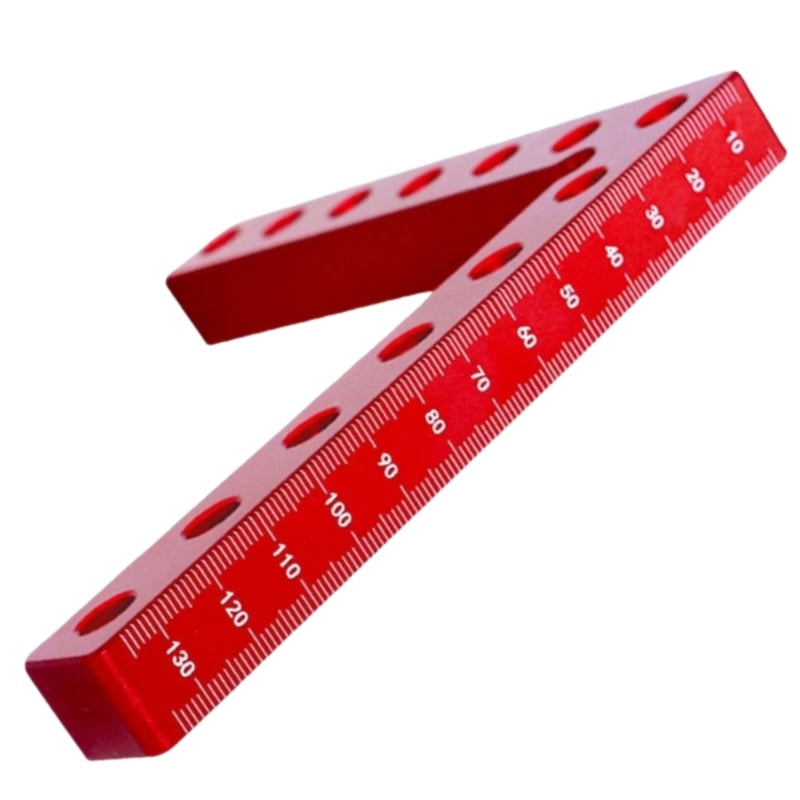
In the world of mechanical assembly and industrial manufacturing, the hexhead cap screw stands as one of the most reliable and versatile fastening solutions available. These precision-engineered components feature a distinctive hexagonal socket head that allows for high-torque applications while providing superior grip and control during installation. The widespread adoption of hexhead cap screw technology across industries stems from their exceptional strength-to-size ratio and the ability to create flush-mounted connections that maintain clean aesthetic lines in finished products.
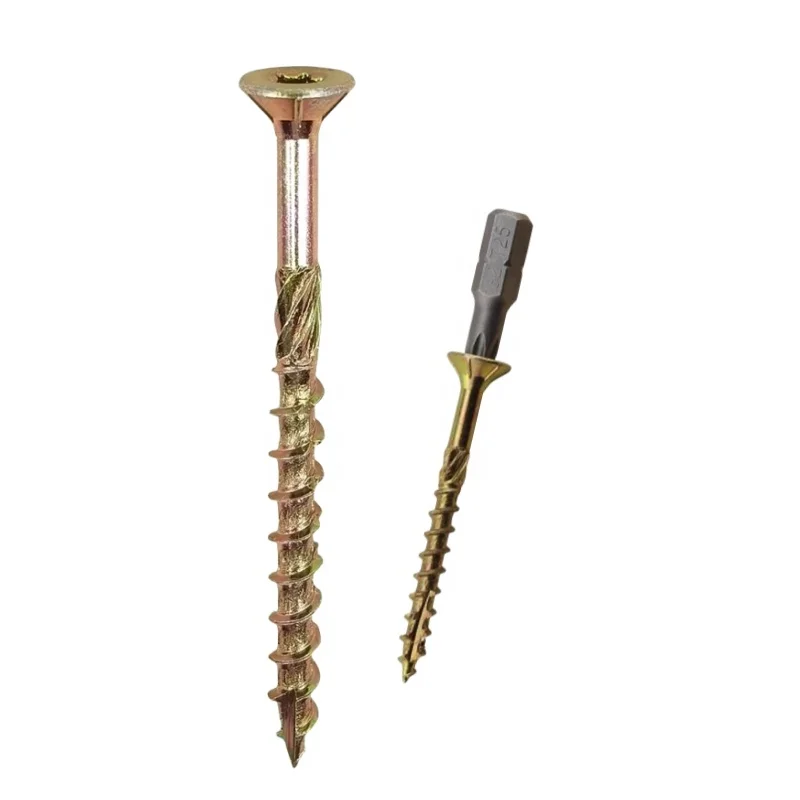
The engineering principles behind hexhead cap screw design have evolved significantly since their introduction, incorporating advanced metallurgy and precision manufacturing techniques. Modern hexhead cap screw assemblies offer enhanced durability, corrosion resistance, and load-bearing capabilities that make them indispensable in critical applications. Manufacturing facilities worldwide rely on these fasteners to maintain structural integrity in everything from aerospace components to consumer electronics, demonstrating their versatility across diverse operational environments.
Automotive Industry Applications
Engine Block Assembly
The automotive sector represents one of the largest consumer markets for hexhead cap screw applications, particularly in engine block construction and transmission assembly. Within engine blocks, these fasteners secure critical components such as cylinder heads, timing covers, and accessory brackets where precise torque specifications and vibration resistance are paramount. The hexhead cap screw design provides automotive engineers with the exact control needed to achieve manufacturer-specified clamping forces while maintaining consistent performance under extreme temperature variations.
Engine manufacturers frequently specify hexhead cap screw installations for connecting rod bearings, crankshaft assemblies, and valve train components where traditional bolt designs might compromise space efficiency. The low-profile nature of these fasteners allows for tighter packaging within modern engine compartments while still delivering the mechanical strength required for high-performance applications. Quality control protocols in automotive production lines specifically monitor hexhead cap screw torque values to ensure long-term reliability and prevent catastrophic failures in field operations.
Suspension System Integration
Modern vehicle suspension systems extensively utilize hexhead cap screw technology for securing shock absorbers, strut assemblies, and stabilizer bar connections. These applications demand fasteners capable of withstanding dynamic loading conditions while maintaining precise alignment between suspension components. The hexagonal socket design enables technicians to access confined spaces within wheel wells and suspension towers where conventional wrench access would be impossible or impractical.
Race car manufacturers and high-performance vehicle builders particularly value hexhead cap screw assemblies for their ability to maintain consistent clamping force under extreme racing conditions. The precise torque control available through hex key tools allows mechanics to fine-tune suspension geometry while ensuring optimal safety margins during competition events. Professional racing teams often specify premium-grade hexhead cap screw materials with enhanced fatigue resistance to withstand the punishing loads encountered on racing circuits.
Aerospace and Aviation Equipment
Aircraft Structural Components
Aerospace manufacturers implement hexhead cap screw technology throughout aircraft structural assemblies where weight reduction and reliability are critical design parameters. These fasteners secure wing attachment points, fuselage panels, and landing gear assemblies while meeting stringent aviation safety standards. The aerospace industry's adoption of hexhead cap screw designs stems from their superior strength-to-weight ratio compared to traditional fastening methods and their ability to maintain structural integrity under extreme operational stresses.
Commercial aircraft production lines utilize specialized hexhead cap screw variants manufactured from aerospace-grade materials such as titanium alloys and stainless steel compositions. These premium fasteners undergo rigorous quality testing including tensile strength verification, fatigue cycle analysis, and corrosion resistance evaluation before approval for flight-critical applications. The hexhead cap screw installation process in aerospace environments follows strict torque protocols monitored by certified technicians to ensure compliance with Federal Aviation Administration safety regulations.
Satellite and Space Technology
Space exploration equipment and satellite systems depend on hexhead cap screw assemblies that can withstand the harsh conditions of space environments including extreme temperature fluctuations and radiation exposure. These applications require fasteners with exceptional dimensional stability and zero outgassing characteristics to prevent contamination of sensitive optical and electronic equipment. The hexhead cap screw design provides space engineers with reliable fastening solutions that maintain structural connections throughout multi-year mission profiles.
Spacecraft manufacturers select hexhead cap screw materials based on their performance in vacuum conditions and their compatibility with specialized coatings that prevent cold welding in zero-atmosphere environments. The installation of these fasteners during spacecraft assembly requires precision torque control to achieve optimal preload without exceeding material stress limits. Quality assurance protocols for space-grade hexhead cap screw applications include extensive environmental testing that simulates launch vibrations, thermal cycling, and long-term space exposure conditions.
Industrial Manufacturing Equipment
Machine Tool Construction
Manufacturing facilities worldwide incorporate hexhead cap screw technology into machine tool construction where precision and vibration dampening are essential for maintaining product quality. These fasteners secure spindle assemblies, tool holders, and precision guide systems that must maintain micron-level accuracy during high-speed machining operations. The hexhead cap screw design provides machine builders with fastening solutions that can be precisely torqued to optimize structural rigidity while minimizing dynamic compliance that could affect machining precision.
CNC machine manufacturers specify hexhead cap screw assemblies for critical applications such as ball screw mounting, linear guide installation, and spindle bearing preload adjustment. These installations require fasteners capable of maintaining consistent clamping force despite temperature variations caused by machining heat generation and coolant circulation systems. The hexagonal socket interface allows maintenance technicians to perform precise adjustments during machine calibration procedures without compromising the structural integrity of precision assemblies.
Conveyor and Automation Systems
Automated production lines and conveyor systems extensively utilize hexhead cap screw installations for securing drive components, sensor mounts, and structural framework elements. These applications demand fasteners that can withstand continuous vibration and dynamic loading while maintaining precise positioning of automation components. The low-profile design of hexhead cap screw assemblies enables compact installation in confined spaces typical of modern automated manufacturing equipment.
Robotics manufacturers incorporate hexhead cap screw technology into joint assemblies, actuator mounts, and precision positioning systems where repeatability and long-term reliability are paramount. These applications benefit from the superior torque control available through hex key tooling, which enables precise adjustment of mechanical clearances and preload forces. Industrial maintenance protocols for conveyor systems specifically address hexhead cap screw inspection intervals to prevent unexpected failures that could disrupt production schedules and compromise worker safety.
Electronics and Precision Instrumentation
Circuit Board Assembly and Enclosures
The electronics industry relies heavily on miniaturized hexhead cap screw designs for securing printed circuit boards, heat sinks, and protective enclosures in both consumer and industrial applications. These fasteners must provide reliable electrical grounding while maintaining electromagnetic interference shielding in sensitive electronic environments. The hexhead cap screw configuration allows electronics manufacturers to achieve consistent contact pressure between components without risking damage to delicate circuit elements during assembly operations.
Telecommunications equipment manufacturers utilize hexhead cap screw assemblies in fiber optic installations, network switch mounting, and antenna positioning systems where precision alignment is critical for optimal signal transmission. These applications require fasteners with excellent dimensional stability and corrosion resistance to maintain connection integrity in outdoor environments. The hexagonal socket design enables field technicians to perform precise adjustments using standard hex key tools while working in confined equipment enclosures and tower installations.
Medical Device Manufacturing
Medical equipment manufacturers implement hexhead cap screw technology in surgical instruments, diagnostic equipment, and patient monitoring systems where biocompatibility and sterilization resistance are essential requirements. These applications demand fasteners manufactured from medical-grade stainless steel or titanium alloys that can withstand repeated autoclave sterilization cycles without degradation. The hexhead cap screw design provides medical device engineers with precise fastening control while maintaining the clean surfaces required for effective sterilization procedures.
Surgical robot manufacturers specify hexhead cap screw assemblies for joint mechanisms, instrument holders, and positioning systems that must operate with exceptional precision and reliability during critical medical procedures. These installations require fasteners capable of maintaining consistent performance despite frequent sterilization exposure and the demanding accuracy requirements of minimally invasive surgical techniques. Quality control protocols for medical-grade hexhead cap screw applications include extensive biocompatibility testing and material certification to ensure patient safety compliance.
Marine and Offshore Applications
Shipbuilding and Vessel Construction
Marine construction projects extensively utilize corrosion-resistant hexhead cap screw designs for securing deck hardware, propulsion systems, and structural components that must withstand harsh saltwater environments. These applications require fasteners manufactured from marine-grade stainless steel or specialized alloys with enhanced corrosion resistance to prevent galvanic reactions and maintain structural integrity throughout vessel service life. The hexhead cap screw configuration provides shipbuilders with reliable fastening solutions that can be installed and maintained using standard tooling in challenging maritime environments.
Offshore platform construction relies on heavy-duty hexhead cap screw assemblies for securing drilling equipment, safety systems, and structural connections that must maintain reliability in extreme weather conditions. These installations demand fasteners with exceptional tensile strength and fatigue resistance to withstand wave loading, wind forces, and the dynamic stresses associated with floating platform operations. Quality assurance protocols for marine hexhead cap screw applications include extensive salt spray testing and accelerated corrosion evaluation to ensure long-term performance in offshore environments.
Underwater Equipment and Submersibles
Underwater vehicle manufacturers and research submersible builders implement specialized hexhead cap screw designs capable of maintaining seal integrity under extreme hydrostatic pressure conditions. These applications require fasteners with precise dimensional tolerances and surface finishes that can interface with pressure vessel components without compromising watertight integrity. The hexhead cap screw installation process for underwater applications follows strict torque protocols to achieve optimal gasket compression while preventing over-stressing of pressure vessel materials.
Deep-sea exploration equipment utilizes titanium and exotic alloy hexhead cap screw assemblies that can withstand the corrosive effects of seawater at extreme depths while maintaining structural connections for scientific instrumentation and life support systems. These installations require fasteners with exceptional material stability and resistance to stress corrosion cracking that could compromise mission safety. The hexagonal socket interface enables maintenance technicians to perform precise adjustments on underwater equipment using remotely operated vehicle manipulation systems.
FAQ
What are the key advantages of using hexhead cap screws over traditional bolt designs?
Hexhead cap screws offer several distinct advantages including their low-profile design that creates flush-mounted installations, superior torque control through hex key tooling, and the ability to access confined spaces where traditional wrench access is impossible. The hexagonal socket design distributes installation forces more evenly than external hex heads, reducing the risk of fastener damage during assembly operations.
How do I determine the correct torque specifications for hexhead cap screw installations?
Proper torque specifications for hexhead cap screw installations depend on factors including material grade, thread pitch, application requirements, and environmental conditions. Manufacturers typically provide torque charts based on fastener size and material properties, but critical applications may require engineering analysis to account for specific loading conditions and safety factors. Always consult manufacturer specifications and consider using calibrated torque tools for consistent results.
What materials are commonly used in hexhead cap screw manufacturing?
Common hexhead cap screw materials include carbon steel with various coatings, stainless steel grades 304 and 316, alloy steel for high-strength applications, and specialized materials like titanium for aerospace and medical applications. Material selection depends on strength requirements, environmental conditions, and compatibility with mating components. Some applications may require specific certifications or material traceability for quality assurance purposes.
Can hexhead cap screws be reused after removal from assemblies?
The reusability of hexhead cap screws depends on their condition after removal, the application requirements, and safety considerations. While many hexhead cap screw installations can be safely reused if the fasteners show no signs of damage or excessive wear, critical applications such as aerospace or medical devices may require new fasteners for each installation to ensure maximum reliability and compliance with safety standards.
Table of Contents
- Automotive Industry Applications
- Aerospace and Aviation Equipment
- Industrial Manufacturing Equipment
- Electronics and Precision Instrumentation
- Marine and Offshore Applications
-
FAQ
- What are the key advantages of using hexhead cap screws over traditional bolt designs?
- How do I determine the correct torque specifications for hexhead cap screw installations?
- What materials are commonly used in hexhead cap screw manufacturing?
- Can hexhead cap screws be reused after removal from assemblies?