
 EN
EN
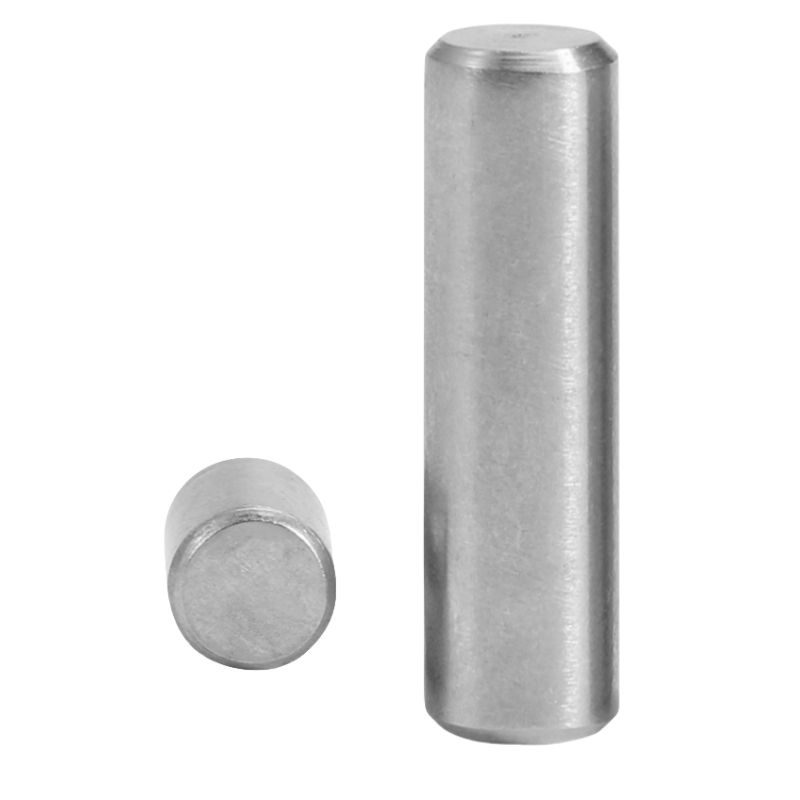
Manufacturing precision assemblies requires meticulous attention to component alignment and positioning. A cylindrical pin serves as a fundamental mechanical fastener that ensures accurate part placement, preventing misalignment during assembly processes. These specialized pins create reliable reference points that maintain dimensional accuracy across various industrial applications, from automotive transmission systems to aerospace instrumentation panels.
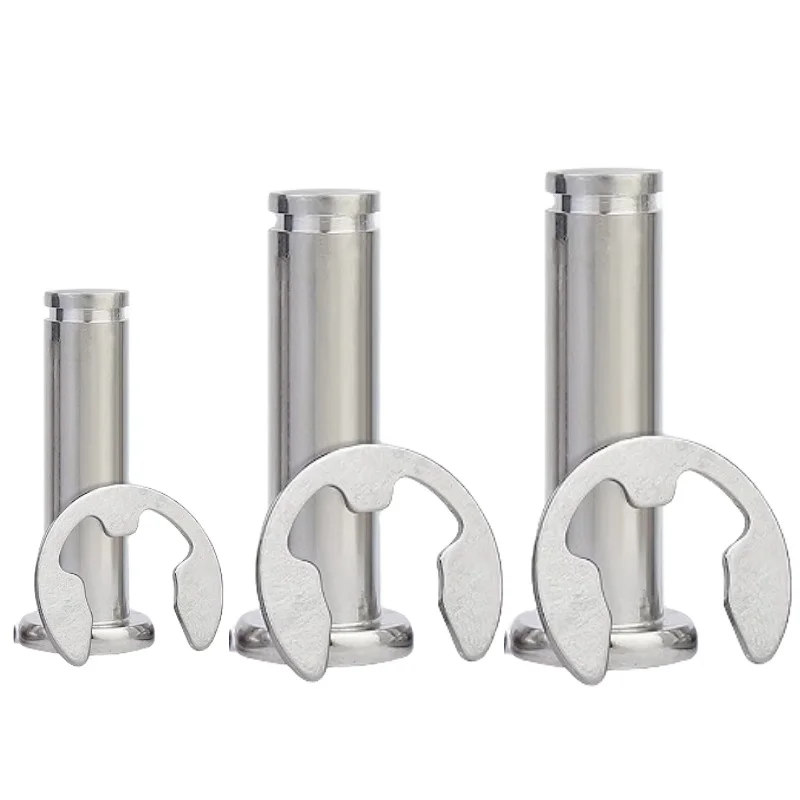
The cylindrical pin mechanism operates through precise interference fits, creating strong mechanical connections between mating components. Engineers rely on these pins to establish repeatable positioning systems that eliminate tolerance stack-up issues. When properly sized and installed, a cylindrical pin provides consistent performance under varying load conditions while maintaining assembly integrity throughout the product lifecycle.
Design Fundamentals of Cylindrical Pins
Material Selection Considerations
Material choice significantly impacts cylindrical pin performance in precision assemblies. Stainless steel grades offer excellent corrosion resistance and mechanical properties, making them ideal for harsh operating environments. The 304 stainless steel composition provides optimal balance between strength, durability, and cost-effectiveness for most industrial applications requiring long-term reliability.
Carbon steel variants deliver superior hardness characteristics when heat-treated properly, enabling higher load-bearing capabilities in heavy-duty applications. Surface treatments such as zinc plating or anodizing enhance corrosion protection while maintaining dimensional stability. Engineers must evaluate environmental conditions, load requirements, and cost constraints when selecting appropriate cylindrical pin materials for specific assembly challenges.
Dimensional Specifications and Tolerances
Precision manufacturing demands strict adherence to dimensional specifications for cylindrical pin applications. Diameter tolerances typically range from h6 to h8 grade, ensuring proper interference fits without excessive assembly forces. Length specifications must accommodate component thickness variations while maintaining adequate engagement for secure positioning throughout operational cycles.
Surface finish requirements directly influence assembly performance and wear characteristics. Ra values between 0.8 to 3.2 micrometers provide optimal balance between manufacturing cost and functional performance. The cylindrical pin geometry must accommodate thermal expansion differentials between mating materials, preventing binding or loosening under temperature variations commonly encountered in industrial environments.
Application Methods in Assembly Processes
Installation Techniques and Best Practices
Proper installation procedures ensure optimal cylindrical pin performance in precision assemblies. Press-fit installation requires careful control of insertion forces to prevent component damage while achieving specified engagement depths. Hydraulic or pneumatic presses provide consistent force application, eliminating variations associated with manual installation methods that can compromise assembly quality.
Alignment fixtures maintain perpendicular insertion angles, preventing pin deflection during installation. Pre-drilling operations must maintain accurate hole dimensions and surface finish requirements to ensure proper cylindrical pin seating. Temperature-controlled installation environments minimize thermal expansion effects that could influence final positioning accuracy in critical applications.
Load Distribution and Stress Analysis
Cylindrical pin applications require thorough stress analysis to prevent premature failure under operational loads. Shear stress concentrations occur at component interfaces, necessitating adequate pin diameter selection based on applied forces. Bearing stress calculations determine minimum engagement lengths required to prevent material yielding in softer components.
Dynamic loading conditions introduce fatigue considerations that influence cylindrical pin longevity. Cyclic stress analysis helps determine appropriate safety factors for applications involving repeated loading cycles. Material fatigue properties become critical factors when designing assemblies subjected to vibrational loads or thermal cycling that could compromise pin retention over extended service periods.
Industrial Applications and Performance Benefits
Automotive Manufacturing Integration
Automotive assembly lines extensively utilize cylindrical pin systems for transmission case alignment and engine block positioning. These pins ensure precise gear train alignment, preventing premature wear and noise generation in drivetrain components. Manufacturing tolerances in automotive applications demand consistent positioning accuracy that cylindrical pin systems reliably provide throughout high-volume production cycles.
Suspension component assemblies rely on cylindrical pin positioning for proper wheel alignment and handling characteristics. Brake system assemblies utilize these pins for caliper positioning and rotor alignment, ensuring consistent braking performance and pad wear patterns. The automotive industry's quality standards necessitate cylindrical pin systems that maintain dimensional stability under extreme temperature variations and mechanical stress conditions.
Aerospace Precision Requirements
Aerospace applications demand exceptional reliability from cylindrical pin assemblies due to critical safety requirements. Aircraft structural components utilize these pins for wing attachment points and landing gear assemblies where failure consequences are severe. Weight optimization drives material selection toward high-strength alloys that maintain structural integrity while minimizing overall aircraft mass.
Satellite and space vehicle assemblies employ cylindrical pin systems in deployable solar panel mechanisms and antenna positioning systems. These applications require pins that maintain functionality across extreme temperature ranges while resisting radiation-induced material degradation. Precision positioning requirements in aerospace applications often exceed standard industrial tolerances, demanding specialized manufacturing processes and quality control procedures.
Quality Assurance and Testing Protocols
Dimensional Verification Methods
Coordinate measuring machines provide accurate dimensional verification for cylindrical pin components before assembly installation. Statistical process control monitors manufacturing variations to ensure consistent quality across production batches. Go/no-go gauging systems enable rapid quality checks during high-volume manufacturing operations while maintaining specified tolerance requirements.
Surface roughness measurements verify finish requirements that influence assembly performance and wear characteristics. Hardness testing confirms material properties meet design specifications for load-bearing applications. Cylindrical pin inspection protocols must address both geometric accuracy and material properties to ensure reliable performance in precision assemblies throughout their operational lifespan.
Performance Validation Testing
Mechanical testing validates cylindrical pin performance under simulated service conditions. Shear strength testing determines ultimate load capacity before failure occurs. Fatigue testing evaluates long-term reliability under cyclic loading conditions that represent actual operating environments where assemblies experience repeated stress cycles.
Environmental testing exposes cylindrical pin assemblies to temperature extremes, humidity variations, and corrosive atmospheres to validate material selection and surface treatment effectiveness. Accelerated aging protocols predict long-term performance characteristics without extended real-time testing periods. These comprehensive testing programs ensure cylindrical pin systems meet reliability requirements for critical applications where failure could result in significant consequences.
Maintenance and Replacement Considerations
Service Life Optimization
Predictive maintenance programs monitor cylindrical pin condition through periodic inspections and dimensional measurements. Wear patterns indicate assembly misalignment or excessive loading conditions that require corrective action. Lubrication schedules for moving assemblies help extend cylindrical pin service life by reducing friction and wear at contact interfaces.
Replacement intervals depend on operating conditions and criticality of the assembly function. High-stress applications may require more frequent inspections to detect early signs of deterioration before catastrophic failure occurs. Documentation of cylindrical pin performance history enables optimization of maintenance schedules and identification of recurring issues that might indicate design improvements or material upgrades.
Troubleshooting Common Issues
Cylindrical pin loosening often indicates insufficient interference fit or thermal cycling effects that exceed design parameters. Excessive wear patterns suggest misalignment issues or inadequate material hardness for the application loads. Corrosion problems typically result from inadequate material selection or surface treatment for the operating environment conditions.
Installation damage can cause stress concentrations that lead to premature failure. Proper training for assembly personnel and appropriate tooling selection prevent installation-related problems. Regular review of assembly procedures ensures consistent quality and identifies opportunities for process improvements that enhance cylindrical pin reliability and overall assembly performance throughout the product lifecycle.
FAQ
What determines the proper size for a cylindrical pin in precision assemblies
Cylindrical pin sizing depends on shear load requirements, bearing stress limitations of mating materials, and required positioning accuracy. Engineers calculate pin diameter based on maximum applied forces divided by material shear strength, incorporating appropriate safety factors. Length requirements consider component thickness plus adequate engagement depth for secure retention.
How do environmental conditions affect cylindrical pin selection
Temperature extremes influence material expansion coefficients and may require special alloys or surface treatments. Corrosive environments necessitate stainless steel materials or protective coatings to prevent degradation. Vibration and dynamic loading conditions require fatigue-resistant materials and proper installation techniques to ensure long-term reliability in challenging operating environments.
What installation torque specifications apply to cylindrical pin assemblies
Cylindrical pin installation typically uses press-fit methods rather than threaded fasteners, so torque specifications don't directly apply. Installation force requirements depend on interference fit specifications and component materials. Proper installation uses controlled hydraulic or pneumatic presses to achieve specified engagement depths without exceeding material yield strengths.
When should cylindrical pins be replaced in maintenance schedules
Replacement intervals depend on application criticality, operating conditions, and wear monitoring results. Visual inspections for corrosion, dimensional changes, or loosening indicate replacement needs. High-stress applications may require replacement based on calculated fatigue life, while low-stress applications can operate until visible wear or positioning accuracy degradation occurs.