 EN
EN
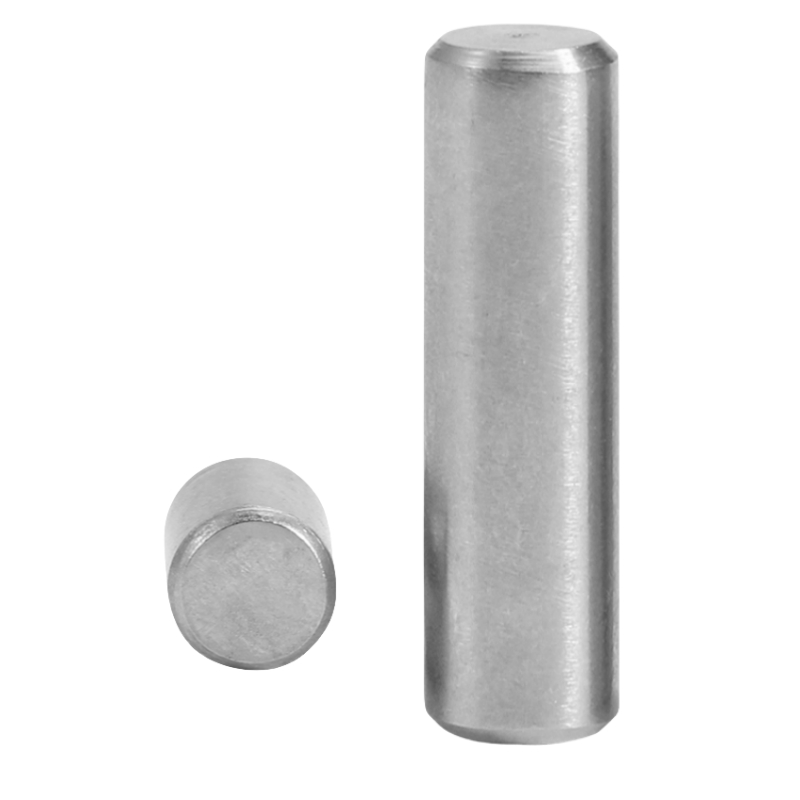
Mechanical positioning systems form the backbone of precision engineering across manufacturing, aerospace, and automotive industries. These complex assemblies rely on various components to maintain accurate alignment and repeatability during operation. Among the most critical elements in these systems is the cylindrical pin, a seemingly simple yet highly effective fastening component that ensures precise positioning between mating parts. The cylindrical pin serves as a fundamental locating device that prevents unwanted movement while maintaining the structural integrity of mechanical assemblies. Understanding how these pins function within positioning systems is essential for engineers and technicians working with precision machinery and automated equipment.
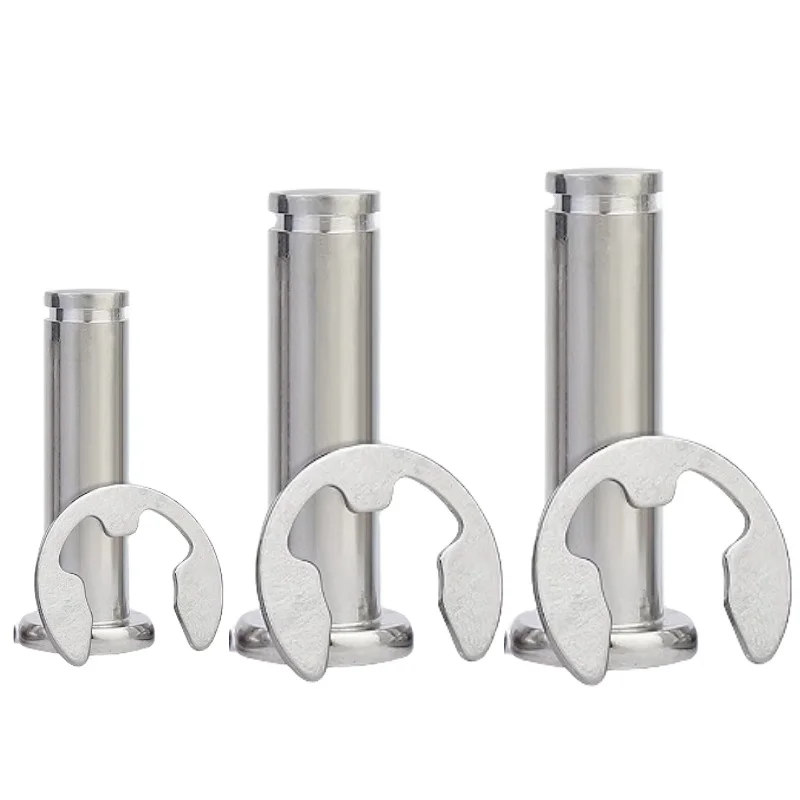
The effectiveness of positioning systems depends largely on the quality and application of locating elements like the cylindrical pin. These components must withstand repeated loading cycles while maintaining their dimensional accuracy over extended periods. Modern manufacturing processes demand positioning systems that can achieve tolerances measured in micrometers, making the selection and implementation of appropriate cylindrical pin configurations crucial for system success. As automation continues to advance, the role of these precision components becomes increasingly important in maintaining quality standards and operational efficiency.
Fundamental Principles of Cylindrical Pin Design
Material Properties and Manufacturing Standards
The performance characteristics of a cylindrical pin directly correlate with its material composition and manufacturing process. Most high-quality cylindrical pins are produced from hardened steel alloys that provide excellent wear resistance and dimensional stability under load. The surface finish of these pins typically ranges from 0.4 to 0.8 micrometers Ra, ensuring smooth insertion and minimal friction during operation. Heat treatment processes further enhance the mechanical properties, creating a hardened surface layer while maintaining a tough core that resists impact damage and fatigue failure.
Manufacturing tolerances for cylindrical pin applications require precise control over diameter variations, typically held within h6 or h7 tolerance grades. This level of precision ensures consistent fit characteristics across multiple assemblies while accounting for thermal expansion and normal wear patterns. The cylindrical pin geometry must also maintain strict roundness and straightness specifications to prevent binding or misalignment during insertion and removal operations. Quality control procedures include dimensional verification, hardness testing, and surface finish measurement to guarantee conformance with engineering specifications.
Geometric Considerations and Tolerance Requirements
The geometric relationship between a cylindrical pin and its mating hole significantly impacts positioning accuracy and system performance. Proper clearance selection balances the need for easy assembly with the requirement for minimal play in the final configuration. Typical clearance fits range from H7/g6 for precise positioning applications to H8/f7 for general-purpose installations where slight movement is acceptable. The length-to-diameter ratio of the cylindrical pin also affects its buckling resistance and alignment capability, with most applications utilizing ratios between 1:1 and 4:1 for optimal performance.
Angular misalignment tolerance becomes critical when cylindrical pins are used in complex assemblies with multiple positioning points. Even small angular deviations can create binding conditions or excessive stress concentrations that lead to premature failure. Engineering calculations must account for cumulative tolerances across the entire positioning system, ensuring that worst-case scenarios remain within acceptable limits. The cylindrical pin placement strategy should minimize the effects of thermal expansion while maintaining the required positioning accuracy throughout the operating temperature range.
Applications in Precision Positioning Systems
Fixture and Jig Applications
Manufacturing fixtures rely heavily on cylindrical pin positioning systems to ensure consistent part placement and dimensional accuracy. These applications typically involve multiple cylindrical pins working in combination to constrain six degrees of freedom, preventing unwanted movement during machining or assembly operations. The pin arrangement must be carefully designed to avoid over-constraint conditions while providing adequate stability for the specific loading conditions. Fixture designers often employ two cylindrical pins of different diameters to create a primary and secondary locating system that accommodates manufacturing tolerances in the workpiece.
Inspection jigs represent another critical application where cylindrical pin accuracy directly impacts measurement reliability. These systems must maintain their positioning characteristics over thousands of loading cycles while resisting wear from repeated part insertion and removal. The cylindrical pin surfaces in these applications often receive specialized coatings or treatments to enhance durability and reduce friction. Proper lubrication strategies help maintain consistent positioning forces and extend the operational life of both the pins and their mating holes.
Automated Assembly Equipment
Modern automated assembly lines utilize cylindrical pin positioning systems to achieve the repeatability and speed required for high-volume production. These applications demand pins that can withstand rapid cycling while maintaining precise positioning accuracy throughout extended operating periods. The cylindrical pin design must accommodate the dynamic loading conditions created by high-speed insertion and withdrawal operations. Pneumatic and hydraulic actuation systems often drive these positioning mechanisms, requiring careful consideration of the force transmission characteristics and potential impact loads.
Robotic work cells frequently incorporate cylindrical pin arrays for part presentation and orientation control. These systems must interface with vision guidance systems and force feedback controls to ensure proper part seating and alignment verification. The cylindrical pin configuration often includes sensors or monitoring systems that detect proper engagement and flag any positioning anomalies. Maintenance procedures for these automated systems require regular inspection and replacement of worn cylindrical pins to prevent quality issues and equipment downtime.
Installation and Maintenance Procedures
Proper Installation Techniques
Successful cylindrical pin installation begins with proper hole preparation and verification of dimensional accuracy. The mating holes must be machined to precise tolerances and deburred to prevent damage during pin insertion. Installation procedures typically require controlled force application to avoid impact damage that could affect the cylindrical pin geometry or surface finish. Hydraulic press installations provide the most controlled insertion method, allowing for precise force monitoring and gradual engagement that minimizes stress concentrations.
Alignment verification during installation ensures that the cylindrical pin achieves the intended positioning relationship with adjacent components. Coordinate measuring machines or precision gauging systems can verify the final pin position and detect any deviation from the specified geometry. Temperature considerations during installation may require compensation for thermal expansion effects, particularly in applications involving dissimilar materials with different expansion coefficients. The cylindrical pin installation process should include documentation of installation forces and final position measurements for quality control purposes.
Preventive Maintenance and Inspection
Regular maintenance programs for positioning systems must address the condition of cylindrical pin components to prevent unexpected failures and quality issues. Visual inspection procedures can identify surface damage, wear patterns, or dimensional changes that indicate the need for replacement. Dimensional verification using precision measurement tools helps quantify wear progression and establish replacement intervals based on actual usage patterns rather than arbitrary time schedules.
Lubrication maintenance plays a crucial role in extending cylindrical pin service life and maintaining consistent positioning forces. The lubricant selection must be compatible with the operating environment and provide adequate protection against corrosion and wear. Contamination control measures prevent abrasive particles from entering the pin-to-hole interface where they could accelerate wear or cause binding conditions. Regular cleaning procedures remove accumulated debris and maintain the dimensional accuracy required for precise positioning applications.
Advanced Cylindrical Pin Technologies
Surface Treatment and Coating Options
Modern cylindrical pin applications often benefit from specialized surface treatments that enhance performance characteristics beyond what base materials can provide. Nitriding processes create extremely hard surface layers that resist wear and galling while maintaining excellent fatigue strength. These treatments are particularly valuable in high-cycle applications where repeated loading could cause surface deterioration in untreated pins. The cylindrical pin surface hardness can exceed 60 HRC with proper nitriding procedures, significantly extending operational life in demanding applications.
Physical vapor deposition coatings offer another approach to enhancing cylindrical pin performance through the application of thin, dense layers of materials like titanium nitride or chromium carbide. These coatings provide excellent wear resistance while maintaining precise dimensional control during the application process. The low coefficient of friction associated with these coatings reduces insertion forces and minimizes galling tendencies in tight-fitting applications. Coating thickness must be carefully controlled to avoid interference with the specified fit tolerances while maximizing the performance benefits.
Smart Pin Technologies and Monitoring
Emerging technologies integrate sensing capabilities directly into cylindrical pin designs, enabling real-time monitoring of positioning accuracy and component condition. Embedded strain gauges can detect excessive loading conditions that might indicate misalignment or component wear. These smart cylindrical pin systems provide valuable feedback for predictive maintenance programs and can trigger automatic adjustments to maintain positioning accuracy over time. Wireless communication capabilities allow for remote monitoring and data collection without compromising the mechanical integrity of the positioning system.
Force monitoring integrated into cylindrical pin installations provides insight into the mechanical behavior of positioning systems under various loading conditions. This data helps optimize insertion forces, detect wear progression, and identify potential failure modes before they impact production quality. The cylindrical pin monitoring systems can interface with plant-wide data collection networks, enabling sophisticated analysis of positioning system performance trends and correlation with production parameters.
Material Selection and Performance Optimization
Steel Alloy Specifications
The selection of appropriate steel alloys for cylindrical pin applications requires careful consideration of mechanical properties, environmental conditions, and performance requirements. Carbon steel alloys provide excellent strength and hardness characteristics at reasonable cost, making them suitable for most general-purpose positioning applications. Alloy steels containing chromium, molybdenum, or nickel offer enhanced strength and toughness properties for demanding applications involving high loads or impact conditions. The cylindrical pin material selection must also account for machinability requirements and heat treatment response to achieve the desired final properties.
Stainless steel grades offer superior corrosion resistance for applications in harsh environments or food-grade equipment where contamination concerns exist. Martensitic stainless steels can achieve hardness levels comparable to carbon steel alloys while maintaining excellent corrosion resistance. Precipitation-hardening stainless steels provide an alternative for cylindrical pin applications requiring exceptional strength combined with corrosion resistance. The trade-offs between mechanical properties and corrosion resistance must be carefully evaluated based on the specific operating environment and performance requirements.
Alternative Materials and Specialized Applications
Certain positioning applications benefit from cylindrical pin materials beyond traditional steel alloys, particularly in weight-sensitive or electrically insulating applications. Aluminum alloys provide excellent strength-to-weight ratios and can be heat-treated to achieve suitable hardness levels for moderate-load positioning systems. Titanium alloys offer exceptional strength and corrosion resistance for aerospace applications where weight reduction and environmental resistance are critical requirements. The cylindrical pin design must account for the different elastic modulus and thermal expansion characteristics of these alternative materials.
Ceramic materials represent an emerging option for cylindrical pin applications requiring electrical insulation or extreme temperature resistance. Silicon nitride and zirconia ceramics can achieve excellent wear resistance and dimensional stability while providing electrical isolation between system components. These materials require specialized manufacturing techniques and careful handling procedures due to their brittle nature. The cylindrical pin design must minimize stress concentrations and provide adequate safety factors to prevent catastrophic failure modes associated with ceramic materials.
FAQ
What are the typical tolerance requirements for cylindrical pin applications?
Cylindrical pin tolerance requirements depend on the specific application and positioning accuracy needs. Most precision positioning systems utilize pins manufactured to h6 or h7 tolerance grades, which provide diameter variations of +0/-0.009mm to +0/-0.015mm for common sizes. The mating holes are typically machined to H7 or H8 tolerances to create appropriate clearance fits. For ultra-precision applications, some systems may require h5 pin tolerances with correspondingly tight hole tolerances. The key is matching the tolerance grade to the positioning accuracy requirements while maintaining practical manufacturing and assembly considerations.
How do you determine the proper length-to-diameter ratio for positioning applications?
The optimal length-to-diameter ratio for a cylindrical pin balances positioning accuracy with mechanical stability. Ratios between 1:1 and 2:1 provide excellent positioning accuracy with minimal risk of buckling under lateral loads. Longer pins with ratios up to 4:1 can be used when positioning accuracy requirements demand greater engagement length, but these require careful analysis of buckling resistance and alignment tolerances. Very short pins with ratios less than 1:1 may not provide adequate positioning stability and are generally avoided except in specialized applications where space constraints dictate the design.
What maintenance procedures are most effective for extending cylindrical pin service life?
Effective cylindrical pin maintenance focuses on preventing contamination, monitoring wear, and maintaining proper lubrication. Regular cleaning removes abrasive particles that accelerate wear, while dimensional inspection detects wear progression before it affects positioning accuracy. Appropriate lubrication reduces friction and prevents corrosion, but the lubricant must be compatible with the operating environment. Replacement intervals should be based on measured wear rates rather than arbitrary time schedules. Documentation of installation forces and positioning accuracy over time helps establish optimal replacement criteria for each specific application.
How do environmental conditions affect cylindrical pin performance and material selection?
Environmental conditions significantly influence both material selection and performance expectations for cylindrical pin applications. Corrosive environments require stainless steel or coated pins to prevent degradation that could affect positioning accuracy. High-temperature applications may necessitate materials with enhanced high-temperature strength and dimensional stability. Vibration and shock loading conditions require pins with excellent fatigue resistance and proper installation techniques to prevent loosening. Clean room environments may dictate specific surface finishes and materials that minimize particle generation. Each environmental factor must be carefully evaluated during the design phase to ensure long-term positioning system reliability.
Table of Contents
- Fundamental Principles of Cylindrical Pin Design
- Applications in Precision Positioning Systems
- Installation and Maintenance Procedures
- Advanced Cylindrical Pin Technologies
- Material Selection and Performance Optimization
-
FAQ
- What are the typical tolerance requirements for cylindrical pin applications?
- How do you determine the proper length-to-diameter ratio for positioning applications?
- What maintenance procedures are most effective for extending cylindrical pin service life?
- How do environmental conditions affect cylindrical pin performance and material selection?