
 EN
EN
Industrial manufacturing relies heavily on specialized fastening solutions to create durable, reliable connections between components. Among the most fundamental fastening elements is the screw, which serves as a critical component in countless industrial applications across diverse sectors. Understanding the proper screw selection for specific industrial uses can significantly impact product performance, safety standards, and operational efficiency. Modern industrial environments demand precision-engineered fastening solutions that can withstand extreme conditions while maintaining structural integrity over extended periods.
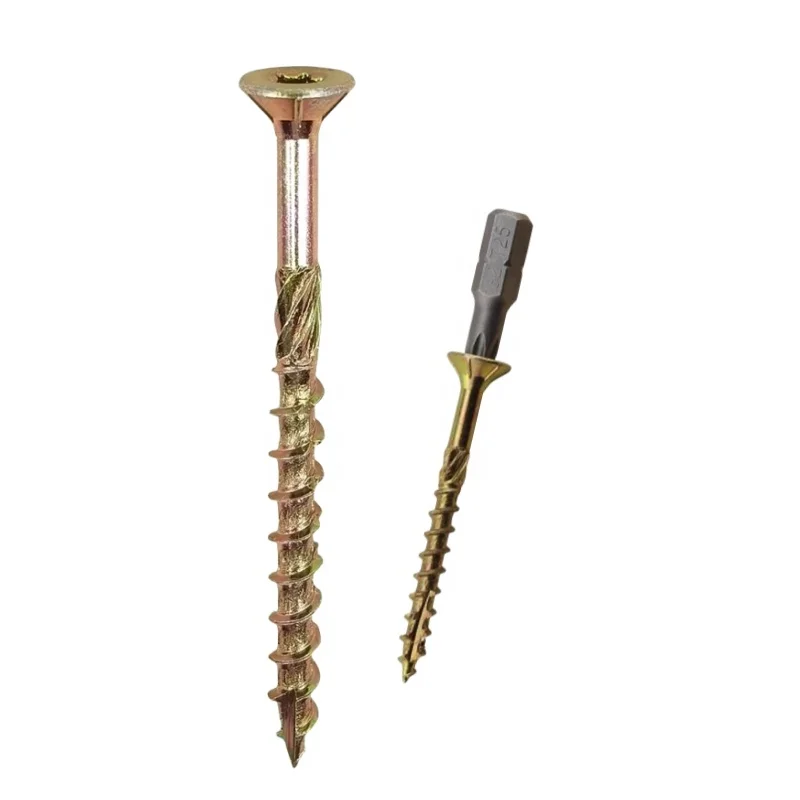
Self-Tapping Screws in Manufacturing Operations
Automotive Industry Applications
The automotive sector extensively utilizes self-tapping screws for assembling interior components, securing trim pieces, and fastening electronic housings. These specialized fasteners create their own threading path in materials like plastic, aluminum, and thin steel sheets. Automotive manufacturers prefer self-tapping designs because they reduce assembly time and eliminate the need for pre-threading operations. The screw design allows for consistent torque specifications while providing reliable hold strength in various temperature conditions encountered in vehicle environments.
Assembly line efficiency improves dramatically when workers can install fasteners without preliminary drilling or tapping procedures. Self-tapping screws maintain their grip strength even when exposed to vibration, thermal cycling, and mechanical stress common in automotive applications. Quality control processes ensure each screw meets stringent automotive standards for corrosion resistance and mechanical properties.
Electronics and Appliance Assembly
Consumer electronics manufacturing depends on precision-engineered self-tapping screws for securing circuit boards, mounting displays, and assembling protective housings. These applications require fasteners that can penetrate plastic housings without causing stress cracks or compromising structural integrity. The screw threading geometry is specifically designed to distribute insertion forces evenly while creating strong mechanical bonds with thermoplastic materials.
Home appliance manufacturers utilize self-tapping screws throughout their production processes, from securing control panels to mounting internal components. The ability to fasten directly into sheet metal housings without pre-drilling reduces manufacturing costs and speeds assembly operations. Quality assurance protocols ensure each screw maintains consistent performance across thousands of installation cycles.
Machine Screws in Precision Engineering
Industrial Equipment Assembly
Heavy machinery construction requires machine screws that can withstand substantial mechanical loads while maintaining precise alignment tolerances. These applications demand fasteners with consistent thread pitch, accurate dimensional specifications, and superior material properties. Industrial equipment manufacturers rely on machine screws for critical connections where failure could result in catastrophic equipment damage or safety hazards.
Manufacturing facilities use machine screws in conveyor systems, processing equipment, and automated machinery where vibration resistance and long-term reliability are paramount. The screw selection process considers factors such as material compatibility, environmental conditions, and maintenance accessibility. Engineers specify machine screws based on calculated stress loads, safety factors, and operational requirements specific to each application.
Instrumentation and Control Systems
Precision instrumentation requires specialized machine screws designed for sensitive electronic environments where electromagnetic interference and temperature stability are critical concerns. These applications utilize fasteners manufactured from non-magnetic materials with tight dimensional tolerances. Control system installations demand screws that can maintain electrical continuity while providing mechanical security for sensitive components.
Laboratory equipment and testing instruments incorporate machine screws in their construction to ensure measurement accuracy and operational stability. The screw specifications must account for thermal expansion, vibration isolation, and accessibility for routine maintenance procedures. Quality control measures verify that each fastener meets the stringent requirements for precision measurement applications.
Flat Head Screws in Structural Applications
Construction and Building Systems
Construction projects extensively use flat head screws for applications requiring flush-mounted fasteners that don't interfere with surface finishes or create potential snagging hazards. These fasteners are particularly valuable in architectural applications where aesthetic appearance and safety considerations are equally important. The countersunk design allows the screw head to sit flush with or below the material surface, creating smooth transitions between components.
Structural steel construction utilizes flat head screws in applications where protruding fastener heads could interfere with subsequent construction operations or create safety hazards. The flush installation eliminates potential catch points while maintaining the necessary holding power for structural connections. Building codes often specify flat head configurations for certain applications to ensure compliance with safety regulations.
Industrial Flooring and Decking
Industrial flooring systems require flat head screws to create smooth, safe walking surfaces while securely fastening decking materials to underlying support structures. These applications demand fasteners that can handle substantial foot traffic, equipment loads, and environmental exposure without compromising surface integrity. The countersunk design prevents fastener heads from becoming trip hazards or interfering with material handling equipment.
Manufacturing facilities install industrial decking using flat head screws that provide reliable connections while maintaining smooth surface profiles necessary for efficient operations. The screw installation creates secure mounting points that distribute loads evenly across support structures. Quality specifications ensure each fastener can withstand the demanding conditions typical of industrial environments.
Specialty Screws for Unique Industrial Challenges
Corrosion-Resistant Applications
Marine and chemical processing industries require specialized screws manufactured from corrosion-resistant alloys capable of withstanding aggressive environmental conditions. These applications utilize fasteners made from stainless steel, titanium, or specialized alloy compositions designed to resist chemical attack and electrochemical corrosion. The screw selection process must account for the specific corrosive agents present in the operating environment.
Offshore installations and coastal facilities depend on corrosion-resistant screws to maintain structural integrity despite constant exposure to saltwater and harsh weather conditions. The fastener specifications include protective coatings or inherent material properties that prevent degradation over extended service periods. Regular inspection protocols verify that screws continue to meet performance requirements throughout their operational lifespan.
High-Temperature Industrial Processes
Manufacturing processes involving elevated temperatures require specialized screws designed to maintain mechanical properties and dimensional stability under thermal stress. These applications utilize fasteners manufactured from heat-resistant alloys or ceramic materials capable of withstanding extreme temperature conditions. The screw design must account for thermal expansion effects and potential metallurgical changes that could affect performance.
Industrial furnaces, heat treatment equipment, and high-temperature processing systems incorporate specialized screws in their construction to ensure reliable operation under extreme conditions. The fastener selection considers factors such as creep resistance, oxidation stability, and thermal cycling effects. Quality assurance procedures verify that each screw maintains its specified properties throughout the anticipated service temperature range.
Quality Control and Standards Compliance
Industry-Specific Requirements
Different industrial sectors maintain specific quality standards and certification requirements for fasteners used in their applications. Aerospace applications demand screws that meet rigorous military specifications and undergo extensive testing procedures. Medical device manufacturing requires fasteners that comply with biocompatibility standards and FDA regulations for materials used in healthcare environments.
Nuclear power generation facilities utilize screws that meet nuclear quality assurance standards and undergo comprehensive material traceability documentation. The screw certification process includes mechanical testing, chemical analysis, and dimensional verification to ensure compliance with applicable codes and standards. Quality management systems track each fastener from raw material source through final installation.
Testing and Validation Procedures
Industrial screw applications require comprehensive testing protocols to verify performance characteristics under actual operating conditions. These procedures include tensile testing, torque-tension relationships, fatigue resistance, and environmental exposure testing. The validation process ensures that each screw type can meet the demanding requirements of its intended industrial application.
Manufacturing quality control systems implement statistical process control methods to monitor screw production consistency and identify potential quality issues before they affect end-use applications. The testing protocols verify that mechanical properties, dimensional accuracy, and surface finish specifications remain within acceptable tolerance ranges throughout production runs.
FAQ
What factors should be considered when selecting screws for industrial applications
Screw selection for industrial applications requires careful consideration of multiple factors including material compatibility, environmental conditions, load requirements, and installation constraints. Engineers must evaluate the specific operating environment, including temperature ranges, chemical exposure, vibration levels, and maintenance accessibility. The screw material should be compatible with the base materials to prevent galvanic corrosion and ensure long-term reliability. Additionally, consideration must be given to thread pitch, head style, drive type, and any special coating or surface treatment requirements based on the application's specific needs.
How do self-tapping screws differ from machine screws in industrial uses
Self-tapping screws create their own threads during installation and are typically used in materials like sheet metal, plastic, and soft metals where pre-threading is not required. These screws have specially designed thread forms that cut or displace material to create a secure connection. Machine screws, conversely, require pre-existing threaded holes or nuts and are designed for more precise applications where exact positioning and higher strength connections are needed. The screw choice depends on the specific application requirements, with self-tapping screws offering installation convenience and machine screws providing superior precision and strength capabilities.
What maintenance considerations apply to industrial screw installations
Industrial screw installations require regular inspection and maintenance to ensure continued performance and safety. Maintenance protocols should include periodic torque verification, visual inspection for corrosion or damage, and replacement of fasteners that show signs of wear or degradation. The screw inspection frequency depends on the criticality of the application and operating environment severity. Proper maintenance documentation should track installation dates, torque specifications, inspection results, and replacement history to ensure compliance with safety requirements and optimize maintenance scheduling.
How do environmental conditions affect screw performance in industrial settings
Environmental conditions significantly impact screw performance and longevity in industrial applications. Temperature extremes can affect material properties, thermal expansion, and stress levels within fastener connections. Chemical exposure may cause corrosion, stress cracking, or material degradation that compromises fastener integrity. Vibration and dynamic loading can lead to loosening or fatigue failure if the screw design is not appropriate for the application. Proper environmental assessment during the selection process ensures that chosen fasteners can withstand the specific conditions they will encounter throughout their service life, maintaining reliable performance and safety standards.
Table of Contents
- Self-Tapping Screws in Manufacturing Operations
- Machine Screws in Precision Engineering
- Flat Head Screws in Structural Applications
- Specialty Screws for Unique Industrial Challenges
- Quality Control and Standards Compliance
-
FAQ
- What factors should be considered when selecting screws for industrial applications
- How do self-tapping screws differ from machine screws in industrial uses
- What maintenance considerations apply to industrial screw installations
- How do environmental conditions affect screw performance in industrial settings