
 EN
EN
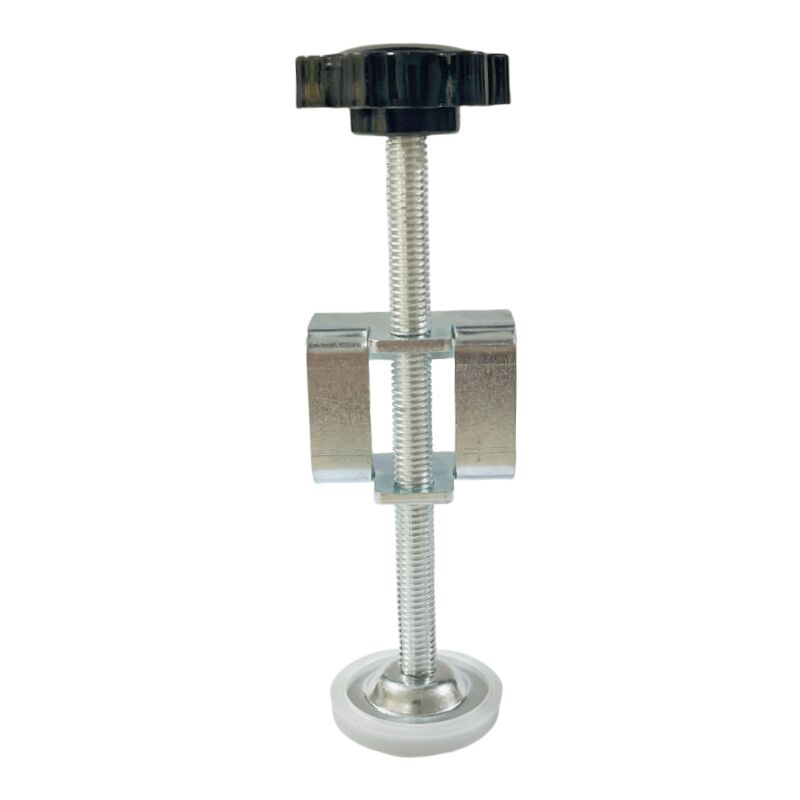
When businesses require fastening solutions for manufacturing, construction, or woodworking operations, purchasing a clamp in bulk quantities becomes a strategic decision that impacts both operational efficiency and cost management. The selection process involves evaluating multiple factors that extend beyond simple price comparisons, encompassing quality standards, material specifications, and long-term performance requirements. Understanding these considerations ensures that procurement teams make informed decisions that align with their operational needs while maximizing value from their investment in bulk clamp purchases.
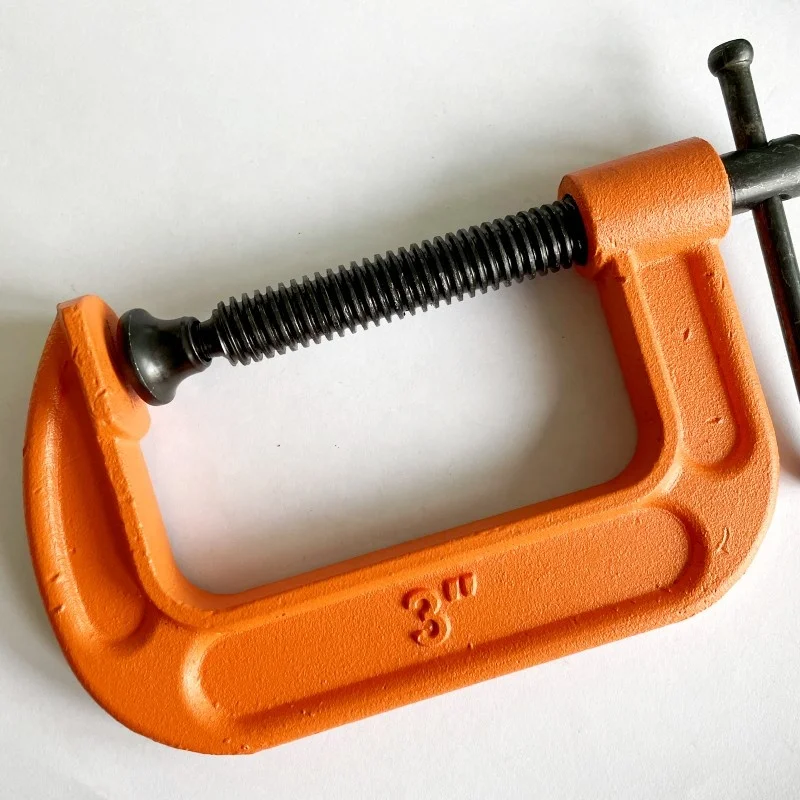
Material Quality and Construction Standards
Steel Grade and Durability Assessment
The foundation of any reliable clamp begins with the steel grade used in its construction, as this directly influences the tool's longevity and performance under various load conditions. High-carbon steel typically provides superior strength and wear resistance compared to lower-grade alternatives, making it essential for buyers to verify the material specifications before committing to bulk orders. The heat treatment processes applied during manufacturing also play a crucial role in determining the final hardness and durability characteristics of each clamp unit.
Surface treatments such as powder coating, galvanizing, or chrome plating significantly impact corrosion resistance and overall lifespan, particularly in demanding industrial environments. These protective finishes prevent rust formation and maintain the structural integrity of the clamp over extended periods of use. Buyers should prioritize suppliers who provide detailed material certifications and can demonstrate consistent quality control measures throughout their manufacturing processes.
Thread Precision and Mechanical Components
The threading quality on screw mechanisms directly affects the smoothness of operation and the precision of clamping force application. Well-manufactured threads ensure consistent performance across the entire bulk order, reducing the likelihood of premature wear or mechanical failure during critical operations. The spindle design and guide bar alignment also contribute to the overall effectiveness of the clamping mechanism, requiring careful evaluation during the selection process.
Handle ergonomics and swivel pad functionality represent additional mechanical aspects that influence user experience and operational efficiency. A properly designed clamp features comfortable grip surfaces and smooth-operating adjustment mechanisms that reduce operator fatigue during extended use periods. These seemingly minor details become significantly more important when multiplied across hundreds or thousands of units in a bulk purchase scenario.
Size Range and Application Compatibility
Opening Capacity Requirements
Determining the appropriate opening capacity for bulk clamp orders requires comprehensive analysis of current and anticipated workpiece dimensions across all intended applications. Standard sizes ranging from one inch to twelve inches accommodate most general-purpose applications, while specialized requirements may necessitate custom sizing or extended-capacity models. The throat depth specification equally impacts the versatility of each clamp unit, affecting its ability to reach into confined spaces or accommodate thick materials.
Buyers must consider not only current project requirements but also potential future applications that might benefit from having various clamp sizes readily available. A well-planned bulk purchase often includes a strategic mix of different opening capacities to ensure operational flexibility and avoid future procurement delays. This approach provides cost advantages through volume pricing while maintaining the versatility needed for diverse manufacturing or construction scenarios.
Load Capacity and Pressure Distribution
The clamping force capability of each unit must align with the specific pressure requirements of intended applications, as insufficient force can compromise joint integrity while excessive pressure may damage delicate materials. Understanding the relationship between screw pitch, handle length, and achievable clamping force helps buyers select appropriate models for their specific use cases. Professional-grade units typically provide higher load capacities and more consistent pressure distribution compared to consumer-oriented alternatives.
Pressure distribution characteristics affect the quality of clamped joints and the prevention of material distortion during assembly processes. A high-quality clamp incorporates design features that distribute force evenly across the contact area, minimizing the risk of material damage while maintaining secure holding power. These performance characteristics become critical factors when evaluating different suppliers and models for bulk procurement decisions.
Supplier Evaluation and Quality Assurance
Manufacturing Consistency and Batch Control
Establishing supplier reliability requires thorough evaluation of manufacturing processes, quality control systems, and batch-to-batch consistency records. Reputable manufacturers maintain detailed production logs and implement statistical process control measures to ensure each clamp meets specified performance standards. These quality assurance practices become increasingly important when ordering hundreds or thousands of units that must perform consistently across diverse applications and environments.
Documentation requirements should include material certifications, dimensional inspection reports, and performance test results for representative samples from each production batch. This level of documentation provides buyers with confidence in product consistency and creates accountability mechanisms for addressing any quality issues that may arise during the order fulfillment process. Suppliers who readily provide comprehensive quality documentation typically demonstrate higher levels of manufacturing maturity and customer service commitment.
Testing Protocols and Performance Verification
Comprehensive testing protocols should encompass both mechanical performance and durability assessments to validate clamp specifications and expected service life. Load testing procedures verify that each unit can achieve and maintain specified clamping forces without mechanical failure or excessive deformation. Cycle testing evaluates the longevity of moving components and identifies potential wear patterns that might affect long-term performance.
Corrosion resistance testing becomes particularly important for applications involving exposure to moisture, chemicals, or extreme environmental conditions. These tests validate the effectiveness of surface treatments and help predict maintenance requirements over the expected service life of each clamp. Buyers should request detailed test reports and certification documents that demonstrate compliance with relevant industry standards and performance specifications.
Cost Analysis and Value Optimization
Total Cost of Ownership Calculations
Effective cost analysis extends beyond initial purchase price to encompass the total cost of ownership over the expected service life of each clamp unit. This comprehensive approach includes maintenance requirements, replacement part availability, and the potential costs associated with premature failure or performance degradation. Higher-quality units often demonstrate superior value propositions despite elevated initial costs due to reduced maintenance needs and extended service life.
Volume pricing structures typically provide significant cost advantages for bulk purchases, but buyers must carefully evaluate the trade-offs between quantity discounts and inventory carrying costs. Large orders may justify custom packaging, specialized shipping arrangements, or extended payment terms that further enhance the overall value proposition. These additional benefits often prove more valuable than modest price reductions, particularly for organizations with complex procurement and inventory management requirements.
Budget Planning and Financial Considerations
Strategic budget planning for bulk clamp purchases requires consideration of cash flow impact, inventory investment, and potential opportunity costs associated with tying up working capital in tool inventory. Phased delivery schedules can help manage cash flow while ensuring adequate stock levels for ongoing operations. Some suppliers offer flexible payment terms or financing arrangements that can improve the financial attractiveness of large bulk orders.
Return on investment calculations should factor in productivity improvements, reduced downtime, and enhanced work quality that result from using reliable, well-designed clamping tools. The productivity gains achieved through consistent clamp performance often justify premium pricing for higher-quality units, particularly in high-volume manufacturing environments where tool reliability directly impacts production efficiency and output quality.
Storage and Inventory Management
Warehouse Space Requirements
Bulk clamp purchases require careful consideration of storage space requirements and inventory management systems to ensure proper organization and easy access for operational teams. The physical dimensions and weight of different clamp sizes affect storage density and handling requirements, influencing warehouse layout decisions and material handling equipment needs. Proper storage conditions also protect the investment by preventing corrosion, damage, or deterioration during extended storage periods.
Climate-controlled storage environments help maintain the condition and performance characteristics of stored clamp inventory, particularly for units with specialized surface treatments or precision-machined components. Inventory tracking systems should accommodate the specific identification requirements for different clamp sizes, specifications, and quality control batch numbers to ensure proper rotation and traceability throughout the storage and distribution process.
Distribution and Access Management
Efficient distribution systems ensure that the right clamp size and type reaches the appropriate work location when needed, minimizing downtime and maximizing operational efficiency. This requires careful planning of storage locations, inventory allocation strategies, and replenishment procedures that align with production schedules and project requirements. Well-designed distribution systems also incorporate usage tracking mechanisms that provide valuable data for future procurement planning and inventory optimization efforts.
Access management protocols should balance security requirements with operational convenience, ensuring that valuable clamp inventory remains protected while remaining readily available for legitimate operational needs. These systems often incorporate check-out procedures, usage logging, and maintenance scheduling that help extend the service life of each clamp while maintaining accurate inventory records for accounting and procurement purposes.
FAQ
What factors determine the ideal clamp size mix for bulk orders
The optimal size distribution depends on your specific applications and workpiece dimensions. Most bulk buyers benefit from a balanced mix weighted toward commonly used sizes, typically 4-inch to 8-inch capacities for general applications. Analyze your historical usage patterns and consider future project requirements to determine the appropriate quantity ratios for different clamp sizes in your bulk order.
How can buyers verify the quality consistency across large clamp orders
Request sample units from different production batches and implement incoming inspection procedures that test key performance characteristics such as clamping force, thread smoothness, and dimensional accuracy. Establish acceptance criteria with your supplier and require documentation of quality control measures including material certifications and performance test results for each production lot.
What storage conditions are necessary to maintain clamp performance and longevity
Store clamps in dry, temperature-controlled environments to prevent corrosion and maintain proper lubrication of moving parts. Organize storage to prevent contact damage between units and ensure adequate ventilation around storage areas. Apply light oil coatings to exposed metal surfaces for long-term storage and implement regular inspection schedules to identify any deterioration before it affects performance.
How do volume pricing structures typically work for bulk clamp purchases
Volume pricing usually follows tiered structures with increasing discounts at specific quantity thresholds such as 100, 500, or 1000 units. Many suppliers also offer additional incentives including free shipping, extended payment terms, or custom packaging for large orders. Compare total delivered cost rather than just unit price, and consider requesting quotes for different quantity levels to identify the most cost-effective order size for your needs.