
 EN
EN
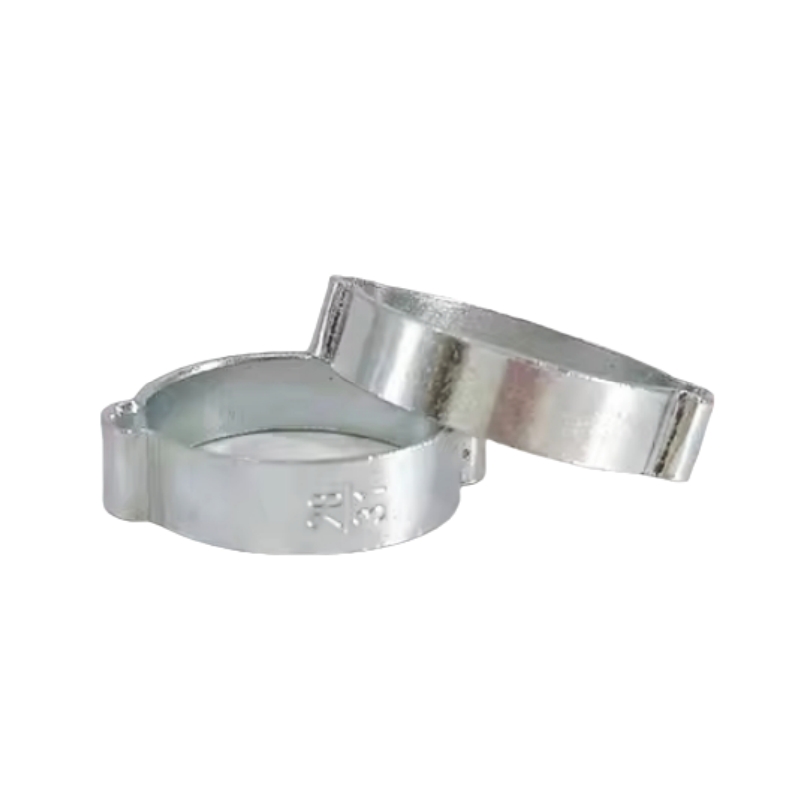
Automotive professionals working in demanding environments understand that standard fastening solutions often fall short when extreme conditions are involved. Turbo hose clamps have emerged as the preferred choice for mechanics who require reliable, durable connections that can withstand high temperatures, intense vibrations, and corrosive environments. These specialized clamps deliver superior performance compared to traditional alternatives, making them indispensable for critical automotive applications where failure is not an option.
The automotive industry's evolution toward more powerful engines and complex systems has created unprecedented demands on fastening components. Modern vehicles operate under conditions that would have destroyed older systems, requiring fastening solutions that can adapt and perform consistently. Professional mechanics recognize that choosing the right clamp technology directly impacts repair quality, customer satisfaction, and long-term reliability outcomes.
Engineering Excellence Behind Turbo Hose Clamps
Advanced Material Composition
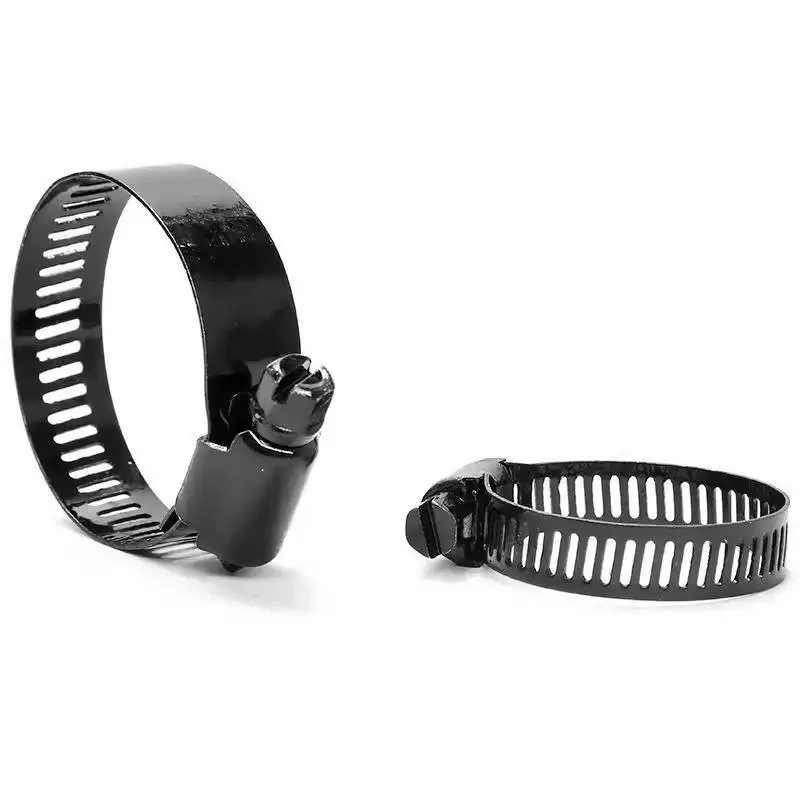
The foundation of turbo hose clamps lies in their sophisticated material engineering, utilizing high-grade stainless steel alloys that resist corrosion, thermal expansion, and mechanical stress. These materials undergo specialized heat treatment processes that enhance their molecular structure, creating superior strength characteristics while maintaining flexibility under dynamic loading conditions. The perforated band design optimizes weight distribution and provides multiple contact points that distribute clamping forces evenly across the hose circumference.
Manufacturing precision plays a crucial role in performance delivery, with each clamp undergoing rigorous quality control measures that verify dimensional accuracy, surface finish, and mechanical properties. Advanced metallurgical techniques ensure consistent material properties throughout the entire product range, eliminating weak points that could compromise performance under extreme operating conditions. The result is a fastening solution that maintains its integrity across temperature ranges from -40°F to 500°F while resisting chemical degradation from automotive fluids.
Precision Engineering Features
The worm drive mechanism represents a critical engineering achievement in turbo hose clamps, incorporating precision-machined threads that provide exceptional torque transmission and holding power. This mechanism allows mechanics to achieve consistent clamping pressure without over-tightening, which could damage sensitive hose materials or create stress concentrations that lead to premature failure. The self-locking thread design prevents loosening under vibration, ensuring long-term connection reliability.
Band perforation patterns are engineered using computational fluid dynamics to optimize airflow characteristics while maintaining structural integrity. These perforations reduce overall weight without compromising strength, and they facilitate heat dissipation in high-temperature applications. The strategic placement of holes creates flexibility zones that allow the clamp to conform to irregular hose profiles while maintaining uniform pressure distribution across the entire contact surface.
Performance Advantages in Extreme Environments
Temperature Resistance Capabilities
Extreme temperature environments pose significant challenges for conventional fastening systems, but turbo hose clamps excel in these demanding conditions through their advanced thermal management properties. The stainless steel construction maintains dimensional stability across wide temperature ranges, preventing the thermal expansion and contraction cycles that cause conventional clamps to loosen over time. This stability ensures consistent sealing pressure regardless of ambient temperature fluctuations or heat generated by nearby engine components.
High-temperature applications, particularly those involving turbocharger systems, exhaust components, and cooling circuits, benefit from the superior heat dissipation characteristics of perforated turbo hose clamps. The strategic hole patterns create convection currents that actively cool the clamp body, preventing heat buildup that could degrade hose materials or compromise the clamping mechanism's integrity. This thermal management capability extends component life and maintains performance consistency throughout demanding operating cycles.
Vibration and Dynamic Load Management
Automotive environments subject fastening components to constant vibration, shock loads, and dynamic stresses that challenge conventional clamping solutions. Turbo hose clamps address these challenges through their elastic deformation characteristics and vibration-dampening properties. The perforated band structure acts as a distributed spring system that absorbs vibrational energy while maintaining consistent clamping force, preventing the loosening that commonly affects rigid fastening systems.
Dynamic load distribution represents another critical advantage, as the flexible band design allows the clamp to accommodate hose movement and dimensional changes without creating stress concentrations. This capability is particularly important in applications involving pulsating fluid flow, thermal cycling, or mechanical vibration where rigid clamps might crack hoses or create leak paths. The result is a fastening solution that maintains its effectiveness throughout extended service intervals.
Installation and Maintenance Considerations
Professional Installation Techniques
Proper installation techniques maximize the performance potential of turbo hose clamps while ensuring long-term reliability and safety. Mechanics must understand the relationship between torque specifications, hose material properties, and environmental conditions to achieve optimal clamping force without causing damage. The installation process begins with careful inspection of both the clamp and hose surfaces to identify any irregularities that could compromise sealing effectiveness.
Positioning accuracy plays a crucial role in performance, with the clamp band requiring proper alignment relative to hose reinforcement structures and connection interfaces. The worm drive mechanism should be positioned to allow easy access for future maintenance while avoiding contact with moving components or heat sources that could interfere with operation. Progressive tightening techniques prevent hose distortion while ensuring uniform pressure distribution around the entire circumference.
Maintenance and Service Life Optimization
Regular inspection protocols help mechanics identify potential issues before they compromise system performance, focusing on signs of corrosion, mechanical wear, or torque loss that could indicate the need for replacement. Visual inspection should include examination of the band surface for cracks, the worm drive mechanism for thread wear, and the hose contact area for signs of excessive deformation or cutting. These inspections are particularly important in harsh environments where accelerated degradation might occur.
Service life optimization involves understanding the relationship between operating conditions, maintenance intervals, and replacement criteria. Turbo hose clamps typically demonstrate exceptional longevity when properly installed and maintained, often outlasting the hoses they secure. However, extreme conditions may require more frequent inspection and potential replacement to maintain system integrity and prevent costly failures that could result from fastening component degradation.
Application-Specific Benefits
Automotive Performance Applications
Performance automotive applications demand fastening solutions that can withstand extreme pressures, temperatures, and chemical exposures while maintaining precise sealing characteristics. Turbo hose clamps excel in these demanding environments, providing the reliability and consistency required for high-performance engine systems, racing applications, and modified vehicles where failure could result in catastrophic damage or safety hazards.
Turbocharger installations represent a particularly demanding application where conventional clamps often prove inadequate due to the combination of high temperatures, pressure fluctuations, and vibration exposure. The superior heat resistance and pressure retention capabilities of turbo hose clamps make them the preferred choice for connecting intercooler piping, boost pressure lines, and cooling system components in turbocharged engines where reliability is paramount.
Industrial and Heavy-Duty Applications
Beyond automotive applications, turbo hose clamps find extensive use in industrial settings where extreme conditions are the norm rather than the exception. Heavy machinery, marine applications, and industrial processing equipment benefit from the superior durability and performance characteristics that these specialized clamps provide. The corrosion resistance properties are particularly valuable in marine environments where salt exposure and moisture create challenging operating conditions.
Construction and agricultural equipment applications subject fastening components to dust, debris, temperature extremes, and mechanical shock that would quickly degrade conventional clamps. The robust construction and superior sealing capabilities of turbo hose clamps ensure reliable performance in these demanding environments, reducing maintenance requirements and minimizing costly downtime associated with fastening component failures.
FAQ
What makes turbo hose clamps different from standard worm gear clamps?
Turbo hose clamps feature advanced materials, precision engineering, and specialized design elements that provide superior performance in extreme conditions. The perforated band design offers better heat dissipation and flexibility, while the high-grade stainless steel construction provides enhanced corrosion resistance and temperature stability compared to standard clamps.
How do I determine the correct torque specification for turbo hose clamps?
Torque specifications depend on hose material, diameter, and application requirements. Generally, start with manufacturer recommendations and adjust based on hose compression characteristics. The goal is achieving uniform sealing pressure without over-compressing the hose material, which could cause damage or create stress concentrations.
Can turbo hose clamps be reused after removal?
High-quality turbo hose clamps can often be reused if they show no signs of damage, corrosion, or thread wear. However, inspection of the worm drive mechanism, band integrity, and overall condition is essential before reuse. In critical applications, using new clamps is recommended to ensure maximum reliability and performance.
What maintenance schedule should I follow for turbo hose clamps in extreme conditions?
Inspection intervals should be based on operating severity, environmental conditions, and application criticality. For extreme conditions, quarterly visual inspections are recommended, checking for signs of corrosion, loosening, or hose damage. Annual detailed inspections should include torque verification and replacement assessment based on wear indicators and performance requirements.