 EN
EN
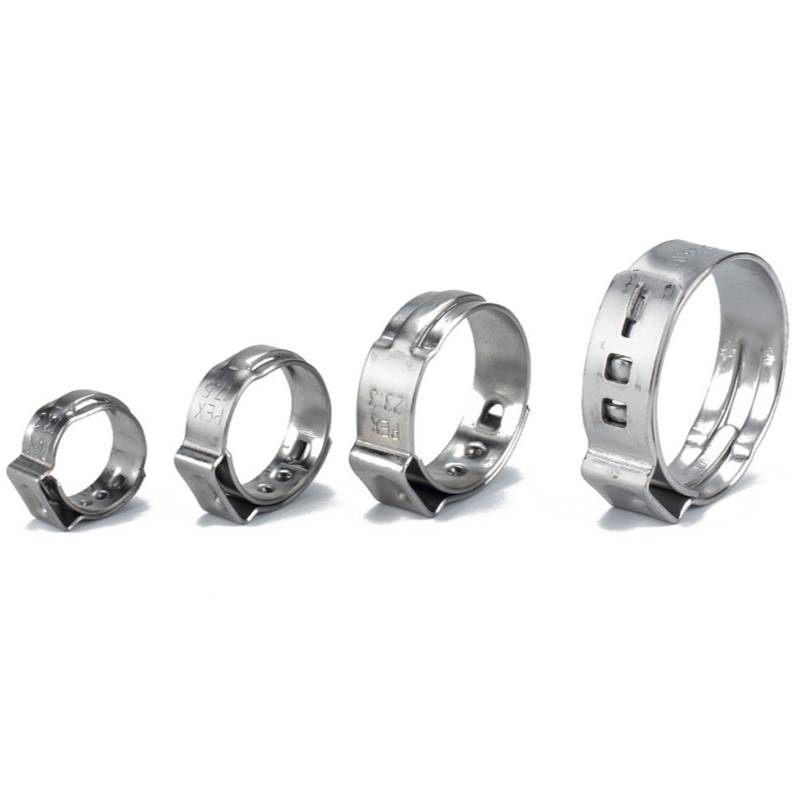
Industrial applications demand reliable connection solutions that prevent costly leaks and system failures. Among the various fastening technologies available today, double ear hose clamps have emerged as a preferred choice for engineers and maintenance professionals seeking superior sealing performance. These specialized clamps offer distinct advantages over traditional worm gear clamps and single ear alternatives, making them essential components in automotive, aerospace, and industrial fluid systems.
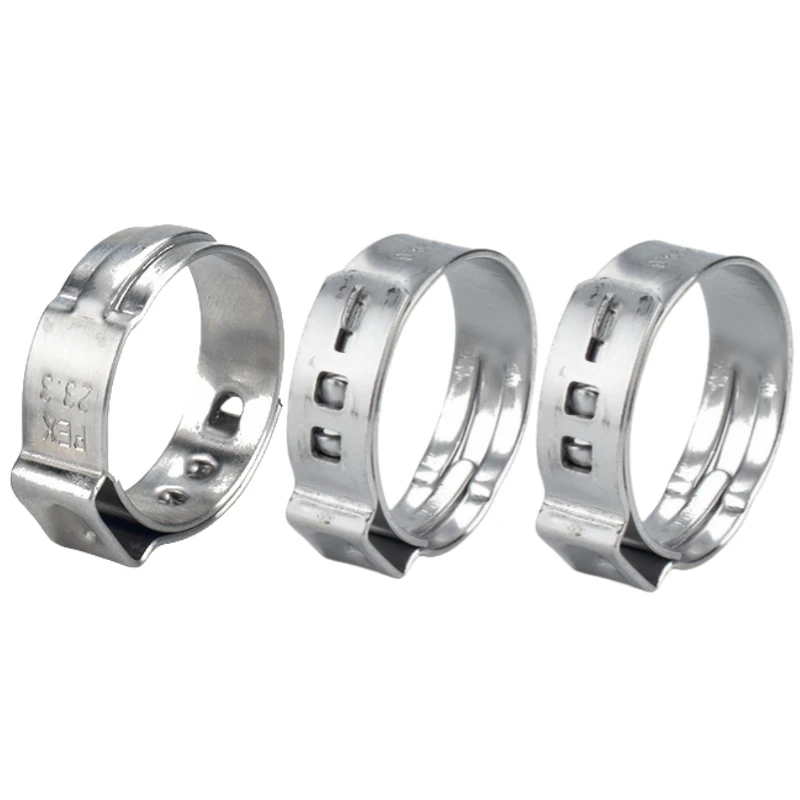
The evolution of hose clamping technology has led to increasingly sophisticated designs that address specific performance requirements. Modern manufacturing processes enable the production of precision-engineered clamps that deliver consistent compression forces while maintaining long-term durability. Understanding the technical characteristics and application benefits of these advanced fastening solutions helps professionals make informed decisions for their specific operational requirements.
Understanding Double Ear Hose Clamp Design Principles
Structural Engineering and Load Distribution
The fundamental design of double ear hose clamps incorporates two crimping ears positioned strategically around the circumference to ensure uniform compression distribution. This dual-ear configuration eliminates the pressure concentration points commonly found in single-ear designs, resulting in more consistent sealing performance across the entire connection interface. The engineering principles behind this design focus on creating balanced compression forces that accommodate thermal expansion and vibration without compromising seal integrity.
Material selection plays a crucial role in the overall performance characteristics of these clamps. High-grade stainless steel construction provides excellent corrosion resistance while maintaining the necessary strength properties for demanding applications. The metallurgical properties of the base material directly influence the clamp's ability to maintain consistent compression over extended operational periods, particularly in environments with significant temperature variations.
Crimping Mechanism and Installation Requirements
The crimping process for double ear hose clamps requires specialized tooling designed to achieve precise compression ratios without damaging the underlying hose or tubing. Professional installation tools ensure that both ears receive equal compression forces, which is essential for achieving optimal sealing performance. The crimping action creates permanent deformation in the ear sections, establishing a secure connection that cannot be easily removed or adjusted after installation.
Installation procedures must account for proper hose insertion depth and surface preparation to maximize connection reliability. The smooth interior surface of quality double ear hose clamps minimizes the risk of hose damage during installation while providing excellent grip characteristics. Proper torque specifications and crimping procedures are essential for achieving the manufacturer's intended performance parameters and ensuring long-term operational success.
Performance Advantages in Critical Applications
Superior Sealing Characteristics
The dual-ear design creates multiple sealing zones that provide redundant leak protection compared to conventional clamping methods. This enhanced sealing capability becomes particularly important in high-pressure applications where even minor leakage can result in significant operational problems or safety concerns. The uniform compression distribution achieved through proper installation ensures that the entire circumference of the connection maintains consistent contact pressure.
Testing data consistently demonstrates that properly installed double ear hose clamps achieve lower leakage rates compared to alternative fastening methods across a wide range of operating conditions. The design's ability to maintain seal integrity under thermal cycling and vibration exposure makes these clamps particularly valuable in automotive cooling systems, hydraulic applications, and other demanding environments where reliability is paramount.
Resistance to Environmental Factors
Environmental durability represents another key advantage of well-designed double ear hose clamps. The stainless steel construction provides excellent resistance to corrosion, chemical exposure, and ultraviolet degradation. This durability extends the operational lifespan of connections while reducing maintenance requirements and associated downtime costs. The smooth external surface design minimizes areas where contaminants can accumulate, further enhancing long-term performance.
Temperature stability is particularly important in applications involving thermal cycling or extreme operating conditions. Quality double ear hose clamps maintain their compression characteristics across wide temperature ranges without experiencing the relaxation problems common with other fastening methods. This thermal stability ensures consistent sealing performance throughout the operational lifecycle, reducing the likelihood of unexpected failures or maintenance interventions.
Industrial Applications and Sector-Specific Benefits
Automotive and Transportation Systems
The automotive industry has widely adopted double ear hose clamps for cooling system connections, fuel lines, and emission control applications. These clamps provide the reliability required for modern vehicles while meeting stringent safety and environmental regulations. The permanent nature of the crimped connection prevents tampering and ensures that critical connections remain secure throughout the vehicle's operational life.
Commercial transportation applications benefit from the reduced maintenance requirements and improved reliability that double ear hose clamps provide. Fleet operators report fewer roadside failures and extended service intervals when these advanced clamps are properly specified and installed. The cost-effectiveness of preventing even a single failure often justifies the modest additional investment in superior clamping technology.
Industrial Process Equipment
Manufacturing facilities and process industries utilize double ear hose clamps for pneumatic systems, hydraulic connections, and fluid transfer applications. The consistent performance characteristics of these clamps support lean manufacturing initiatives by reducing unplanned maintenance and improving overall equipment effectiveness. Process engineers appreciate the predictable behavior and long-term reliability that properly selected clamps provide.
Chemical processing applications particularly benefit from the corrosion resistance and sealing performance of high-quality double ear hose clamps. The ability to maintain seal integrity when exposed to aggressive chemicals or varying process conditions makes these clamps valuable components in critical process applications. Proper material selection ensures compatibility with specific chemical environments while maintaining the mechanical properties necessary for reliable operation.
Selection Criteria and Specification Guidelines
Material Considerations and Compatibility
Selecting appropriate double ear hose clamps requires careful consideration of the operating environment and compatibility requirements. Stainless steel grades must be matched to the specific corrosion resistance needs of the application, with 316 stainless steel often preferred for marine or chemical environments. The clamp material must also be compatible with the hose or tubing material to prevent galvanic corrosion or chemical incompatibility issues.
Size selection involves more than simply matching the nominal hose diameter. Proper fit requires consideration of hose wall thickness, compression characteristics, and the specific connection requirements. Oversized clamps may not provide adequate compression, while undersized clamps can damage the hose or fail to achieve proper sealing. Professional sizing guidelines help ensure optimal performance and reliability.
Quality Standards and Certification Requirements
Industrial applications often require clamps that meet specific quality standards or certification requirements. ISO 9001 manufacturing processes ensure consistent quality and traceability, while industry-specific certifications may be required for automotive, aerospace, or marine applications. Understanding the applicable standards helps ensure that selected clamps meet all necessary performance and documentation requirements.
Testing and validation procedures verify that double ear hose clamps meet their intended performance specifications under actual operating conditions. Pressure testing, thermal cycling, and vibration exposure tests provide confidence in the long-term reliability of critical connections. Documented test results support quality assurance programs and help justify the selection of premium clamping solutions.
Installation Best Practices and Quality Assurance
Professional Installation Techniques
Achieving optimal performance from double ear hose clamps requires adherence to proper installation procedures and the use of appropriate tooling. Crimping tools must be calibrated and maintained to ensure consistent compression forces across all installations. Training programs help technicians understand the critical parameters that influence connection reliability and long-term performance.
Quality control procedures during installation help identify potential issues before they result in operational problems. Visual inspection criteria, compression measurements, and leak testing protocols provide verification that installations meet specification requirements. Documentation of installation procedures supports troubleshooting efforts and helps maintain consistency across multiple technicians or work shifts.
Maintenance and Inspection Protocols
While double ear hose clamps are designed for permanent installation, periodic inspection helps ensure continued reliability in critical applications. Visual inspection procedures can identify signs of corrosion, mechanical damage, or hose degradation that might compromise connection integrity. Establishing inspection intervals based on operating conditions and risk assessment helps optimize maintenance resources while maintaining system reliability.
Replacement criteria should be established based on the specific application requirements and risk tolerance. While these clamps typically provide excellent long-term performance, proactive replacement during scheduled maintenance can prevent unexpected failures in critical applications. Understanding the expected service life under specific operating conditions helps optimize maintenance planning and inventory management.
FAQ
What makes double ear hose clamps superior to single ear alternatives
Double ear hose clamps provide superior compression distribution through their dual-ear design, which eliminates pressure concentration points and creates more uniform sealing forces around the entire connection circumference. This design results in improved leak resistance and better accommodation of thermal expansion and vibration compared to single ear clamps.
How do I determine the correct size for my application
Proper sizing requires consideration of the hose outer diameter, wall thickness, and compression requirements. The clamp should fit snugly around the hose without excessive overlap or gaps. Consult manufacturer sizing charts and consider factors such as hose material flexibility and operating pressure when making your selection.
Can double ear hose clamps be reused after removal
No, double ear hose clamps are designed for single-use installation due to the permanent deformation that occurs during the crimping process. Once crimped, the ears cannot be restored to their original shape, and attempting reuse will result in compromised sealing performance and potential connection failure.
What tools are required for proper installation
Professional crimping tools specifically designed for double ear hose clamps are essential for proper installation. These tools ensure uniform compression of both ears simultaneously while maintaining proper alignment. Standard pliers or generic crimping tools will not provide the precise compression required for optimal performance and may result in connection failure.